Acetyl-L-Carnitine for Kids: What It Does and What the Research Says
Acetyl-L-carnitine (often shortened to ALC) shows up in conversations about energy, focus, and brain health, and parents of kids with nervous system challenges sometimes ask about it. It is a more specialized supplement than vitamin D or omega-3s, so it deserves a careful, plain-language look. At Pinnacle Chiropractic, we hear this question from families in Lakewood Ranch, Sarasota, and Bradenton who want to understand their options before deciding anything.
We see nutrition as one piece of how a child's nervous system functions. Gentle pediatric chiropractic adjustments are designed to support nervous system function, and nutrients like carnitine are part of the cellular machinery that nervous system tissue relies on. This article explains what carnitine does, what is and is not known about children, and how to approach it responsibly.
Key Summary
• Carnitine helps cells move fats into the mitochondria, the part of the cell that produces energy.
• Acetyl-L-carnitine is a form that is also involved in brain and nerve cell function.
• The body makes carnitine, and most healthy children also get it from food, mainly meat and dairy.
• Research in children is limited and mixed, so ALC should not be seen as a proven fix for any condition.
• Your child's healthcare provider can help decide whether a supplement makes sense and at what amount.
What Is Acetyl-L-Carnitine?
Carnitine is a compound made in the liver and kidneys from the amino acids lysine and methionine. Its best-known job is shuttling long-chain fatty acids into the mitochondria so they can be burned for energy. Acetyl-L-carnitine is a version of carnitine with an added acetyl group, which is thought to help it reach brain tissue more easily and take part in nerve cell metabolism.
Why Do Parents Ask About It?
Parents often come across ALC while researching focus, fatigue, mood, or developmental differences. Some small studies have explored carnitine in children with attention challenges or autism, with mixed results, and researchers continue to study who might benefit. It is important not to read those results as universal. Every child's biology and needs differ, and a supplement that appears helpful for one group says little about your own child.
Where Do Kids Get Carnitine From Food?
Most children make enough, and food adds to the total. The richest sources are animal foods:
• Red meat such as beef and lamb is the highest source.
• Poultry and fish provide smaller but useful amounts.
• Dairy products contribute modest amounts.
• Plant foods contain very little carnitine, so vegetarian and vegan children rely more on their own production.
Very selective eaters may take in less, which is a good reason to look at overall nutrition first. Our post on nutrition tips for picky eaters is a practical place to begin.
When Might a Provider Consider Carnitine?
Genuine carnitine deficiency is uncommon and is a medical diagnosis, often linked to specific metabolic conditions or certain medications. That is a conversation for your pediatrician or a metabolic specialist. Outside of those situations, any use of ALC is a personal decision that is best made with a provider who knows your child's history, diet, and any medicines they take.
Questions to Ask Before Choosing a Supplement
• Is the form suitable for my child's age? Many products are made with adults in mind, and capsules can be hard for young children.
• What amount is appropriate, and for how long?
• Could it interact with any medication or condition my child has?
• How will we tell whether it is helping, and when will we reassess?
• Is the product third-party tested for quality and purity?
Our Preferred Option
When families ask, Pinnacle Chiropractic's preferred brand is Designs for Health, a practitioner-focused supplement line. One option we point to is Designs for Health Acetyl-L-Carnitine. Because we cannot assume any product is right for a child, review the label and talk with your child's provider about form and amount before using it.
Disclosure: Some product links in this article may be affiliate links. Pinnacle Chiropractic may receive a commission if you purchase through these links, at no additional cost to you. We recommend products based on our professional preferences and experience.
Your child's healthcare provider can help determine whether supplementation is appropriate and what amount makes sense for your child's age, diet, health history, and individual needs.
How Pinnacle Chiropractic Approaches Nutrition and the Nervous System
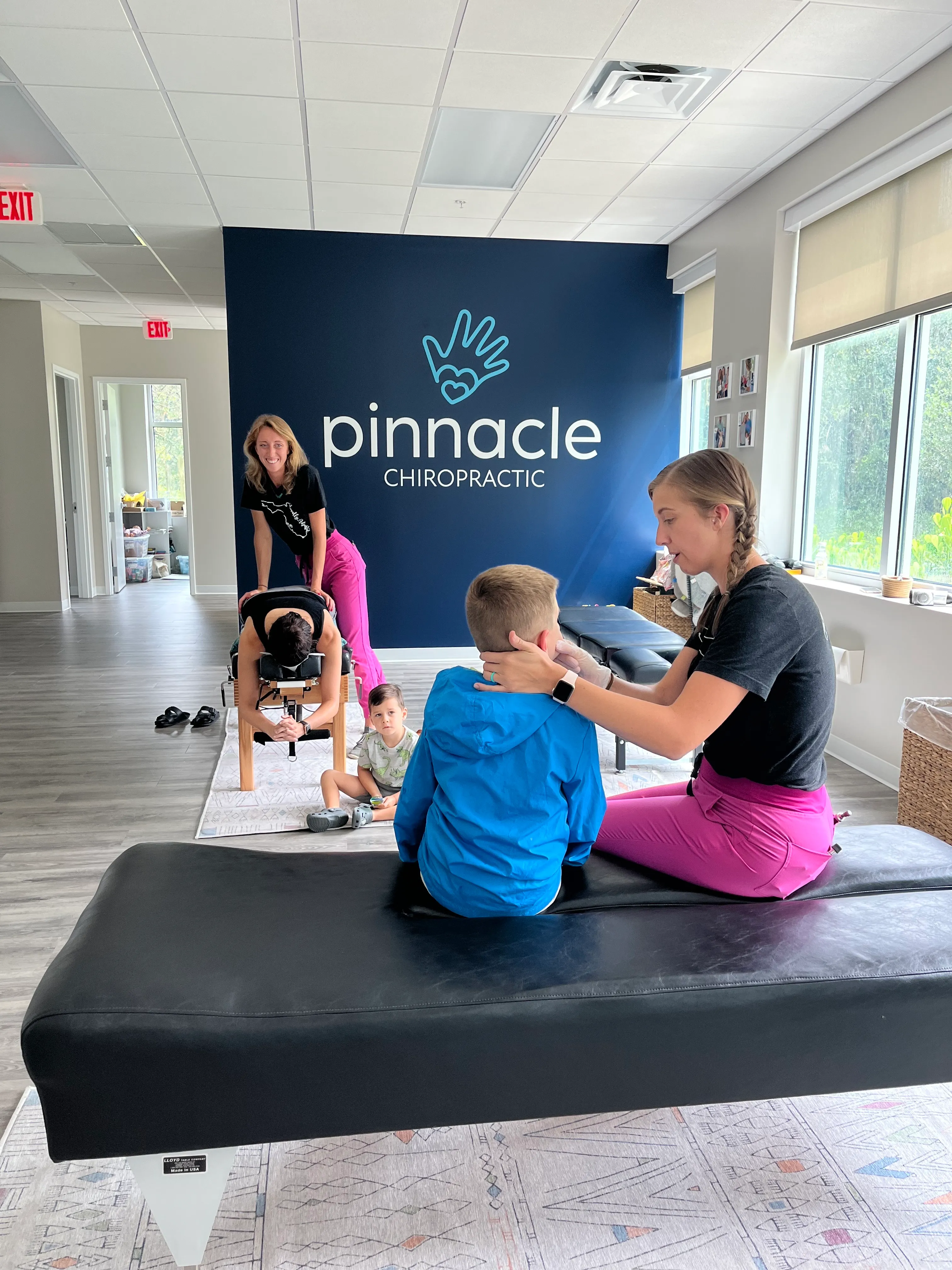
At Pinnacle Chiropractic, nutrition and nervous system care complement one another. We start with a nervous system evaluation using objective INSiGHT scans, including thermography, surface EMG, and heart rate variability, because we measure, we don't guess. We then build a personalized plan of gentle pediatric chiropractic adjustments and talk through supplement support when it is relevant, always alongside your pediatrician. If you are exploring how nutrients support the gut and brain together, see our article on gut health for kids.
What Parents Can Do
• Start with food, including protein sources your child accepts.
• Keep a simple log of energy, sleep, mood, and appetite to share with your provider.
• Avoid starting several new supplements at once, which makes it hard to know what is doing what.
• Store all supplements safely out of children's reach.
FAQs
Is acetyl-L-carnitine safe for children?
Safety depends on the child, the form, and the amount, and long-term pediatric data are limited. That is why it should be discussed with your child's healthcare provider rather than started on your own.
Can acetyl-L-carnitine help with focus or ADHD?
Some small studies have looked at this with mixed results, and it has not been established as a reliable approach. It should not replace guidance from your child's care team.
Does carnitine give kids more energy?
Carnitine supports normal energy metabolism, but extra amounts have not been shown to boost energy in children who already have enough.
What is the difference between L-carnitine and acetyl-L-carnitine?
Acetyl-L-carnitine carries an added acetyl group and is the form more often studied for brain and nerve function. Regular L-carnitine is the form more associated with muscle energy metabolism.
Can chiropractic care replace nutrition support?
No. Gentle pediatric chiropractic adjustments are designed to support nervous system function, while nutrients support the body in different ways. They work best as complementary parts of your child's care.
Final Thoughts
Acetyl-L-carnitine is an interesting nutrient with a real role in cellular energy, but the evidence in children is still developing. Food first, realistic expectations, and professional guidance are the safest path.
If you would like help understanding how nutrition and nervous system health fit together for your child, Pinnacle Chiropractic is here for you. Our neurologically focused approach uses objective INSiGHT scans and gentle pediatric chiropractic adjustments designed specifically for children. Contact Pinnacle Chiropractic to schedule a consultation.