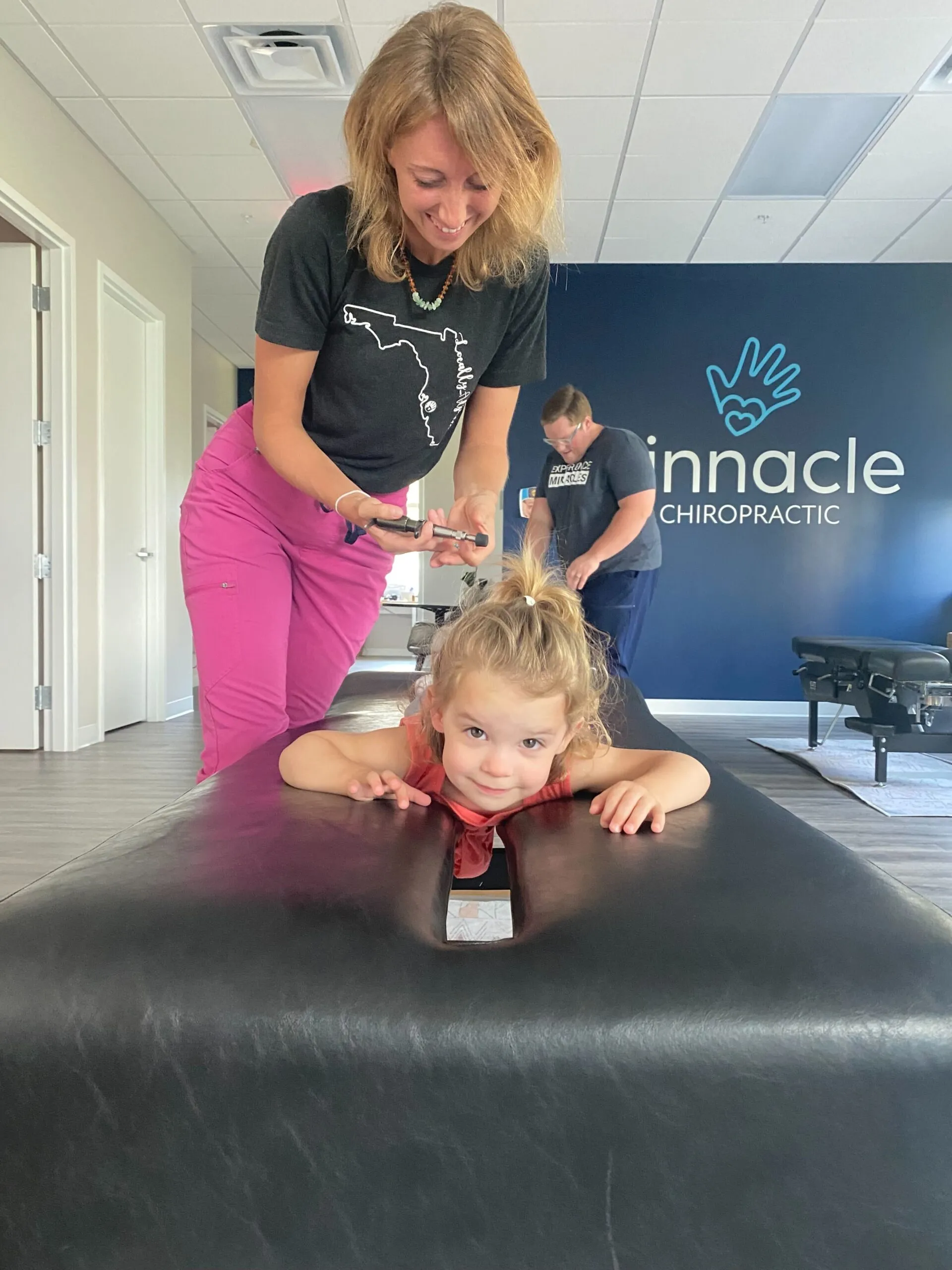
If you live in Sarasota, Bradenton or Lakewood Ranch, it's easy to assume your kids are getting all the vitamin D they need. After all, the sun shines nearly year-round. But sunshine alone doesn't always translate to healthy vitamin D levels. Here's why, and what to consider.
Why Florida Kids May Still Fall Short
• Sunscreen and cover-ups. Sun protection is important for skin health, and it also reduces vitamin D production from sunlight.
• Indoor time. Air conditioning, screens and school days mean many kids spend most daylight hours inside.
• Skin tone. Darker skin makes less vitamin D from the same amount of sun.
• Diet. Few foods naturally contain vitamin D, and picky eaters may miss fortified foods. See our tips for picky eaters.
• Time of day. Early-morning and late-afternoon sun, when kids are often outside, is less effective for vitamin D production.
What Vitamin D Does
Vitamin D supports calcium absorption and bone health, and it plays roles in immune function and muscle health. For a deeper overview, read our guide to vitamin D for kids. Vitamin D also works alongside other nutrients such as magnesium, which we cover in magnesium and bone health.
How Do You Know If Your Child Needs It?
The only reliable way to know is to ask your child's healthcare provider about testing. Vitamin D needs vary by age, skin tone, diet, sun habits and health history, so there is no one-size-fits-all approach. Please don't guess at doses, since vitamin D is fat-soluble and more is not always better.
A Liquid Option for Kids
If your child's provider recommends a supplement, a liquid form is often easier for kids who struggle with pills or chewables. One option we like is Emulsi-D3 Synergy from Designs for Health, a liquid vitamin D3 formula for kids.
Disclosure: Pinnacle Chiropractic may earn a commission if you purchase through links on this page, at no additional cost to you. We only recommend products we trust and use in our practice.
Your child's healthcare provider can help determine whether supplementation is appropriate for your child, which dose to use, and how long. For more on how we approach supplements, see our supplement support page.
Other Ways to Support Healthy Vitamin D
• Get some midday sun in moderation. Short, sensible sun time with an eye on sunburn risk can help; talk to your pediatrician about what's right for your child.
• Include food sources. Fatty fish, egg yolks and fortified foods contribute.
• Think of the whole picture. Sleep, movement and overall nutrition matter too. Our post on supplements for immune health in toddlers covers other nutrients to discuss.
How This Fits With Chiropractic Care
At Pinnacle Chiropractic, we support the nervous system and overall wellness of children through gentle pediatric chiropractic care and practical nutrition guidance. Supplements are a supporting piece, not a replacement for care from your child's healthcare provider, and chiropractic care does not treat vitamin deficiencies.
Frequently Asked Questions
Can kids get enough vitamin D from the sun in Florida?
Some can, but many don't because of sunscreen use, indoor time, skin tone and diet. Testing is the best way to know.
Is liquid vitamin D better for kids?
Liquid forms are often easier for children who don't like swallowing pills or chewing tablets, and they can be added to a small amount of food or drink as directed on the label.
Can my child take too much vitamin D?
Yes. Because vitamin D is stored in the body, too much can cause problems. Always follow your provider's guidance and the product label.
Final Thoughts
Living in Florida is a great start, but it isn't a guarantee of healthy vitamin D levels. Talk with your child's healthcare provider about testing and whether a supplement makes sense. Questions about nutrition and supplements? Contact Pinnacle Chiropractic.