Your belly suddenly goes hard, your lower abdomen tightens, and you wonder: is this it? Late in pregnancy, almost every mom asks that question at least once. Braxton Hicks contractions are common, and they can feel convincing. Here's how to tell what you may be feeling and what to do about it.
What Are Braxton Hicks Contractions?
Braxton Hicks are irregular tightenings of the uterus that can begin as early as the second trimester and become more noticeable in the third. Think of them as practice: the uterine muscle warming up. They are usually not a sign that labor is starting.
How They Typically Differ From Real Labor
• Timing. Braxton Hicks are irregular and don't get closer together. Labor contractions become regular and gradually closer together.
• Intensity. Braxton Hicks tend to stay the same or fade. Labor contractions get stronger over time.
• Change with activity. Braxton Hicks often ease when you change position, walk, rest or drink water. Labor contractions usually continue no matter what you do.
• Location. Braxton Hicks are often felt in the front of the abdomen. Labor often starts in the lower back and wraps around to the front.
• Other signs. Labor may come with a bloody show, a change in discharge, or your water breaking.
Common Triggers
Dehydration, a full bladder, a busy day, sex, or the baby moving a lot can set off Braxton Hicks. Stress and tension can also play a role, which is one reason many moms find that relaxation and gentle movement help.
Ways to Ease Braxton Hicks
• Drink water. Dehydration is a common trigger.
• Change positions. Walk if you've been sitting; rest if you've been busy.
• Take a warm (not hot) bath or shower.
• Breathe slowly. Deep breathing helps both your body and your nervous system settle.
• Empty your bladder. A full bladder can irritate the uterus.
When to Call Your Provider
Always call your provider if you're unsure. Before 37 weeks, regular contractions, fluid leaking, bleeding, severe pain or a decrease in baby's movement should be checked right away. Our guide to recognizing signs of preterm labor goes into more detail. At any stage, trust your instincts.
How Prenatal Chiropractic Care Fits In
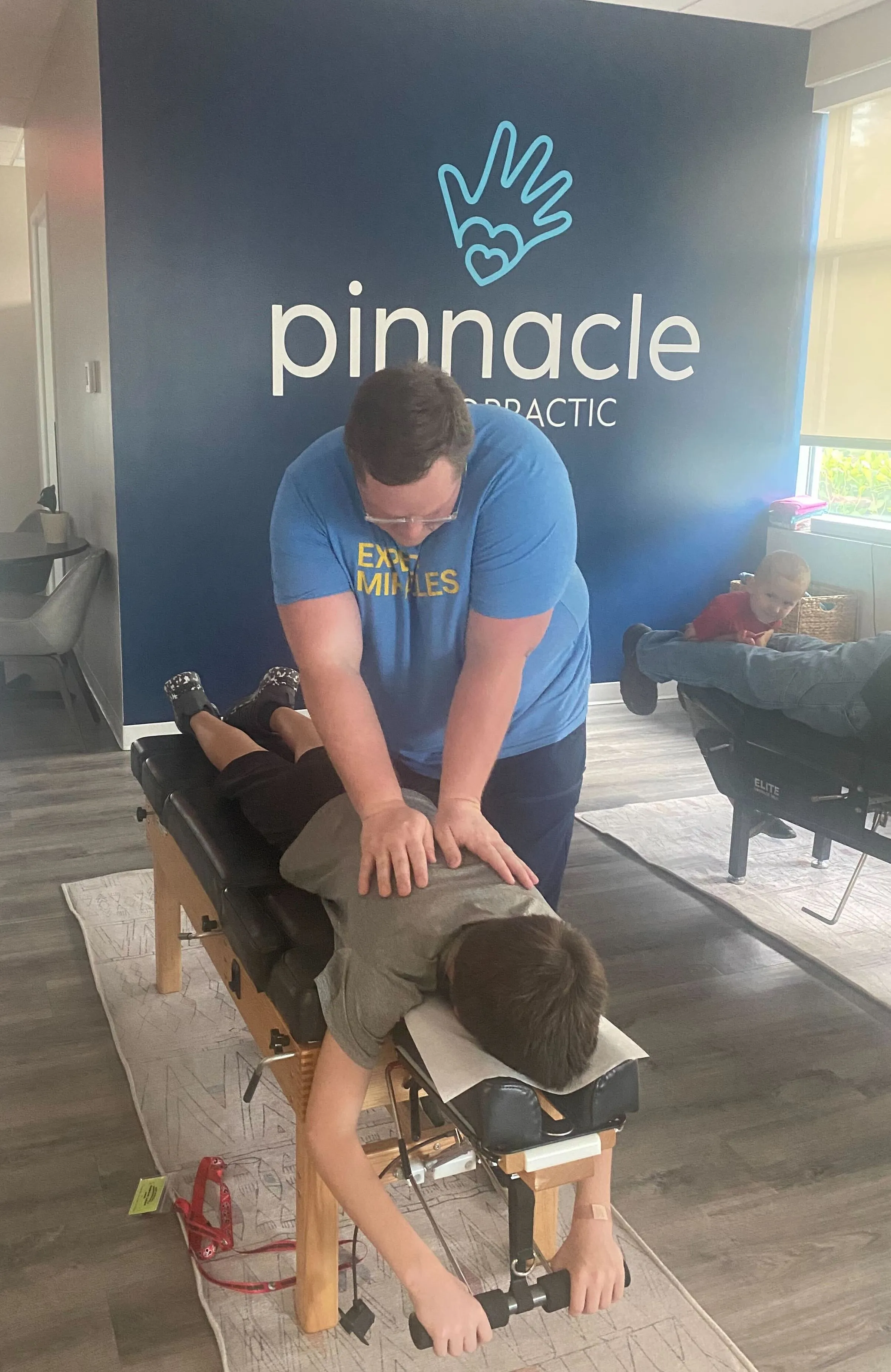
A comfortable pelvis and well-functioning nervous system support you as you prepare for birth. At Pinnacle Chiropractic, our prenatal chiropractic care uses gentle, pregnancy-safe techniques, including the Webster Technique, to support pelvic balance and comfort. Learn more in can prenatal chiropractic care make labor easier? Chiropractic care does not start or stop labor, and we make no promises about birth outcomes. It supports your body's normal function.
Frequently Asked Questions
Do Braxton Hicks hurt?
They're usually uncomfortable rather than painful, though some women find them intense. Pain that is severe or constant is worth a call to your provider.
How many Braxton Hicks are normal?
It varies. Several an hour that don't settle with rest and water should be reported to your provider.
Should I make a plan for when labor starts?
Yes. Talk with your provider about when to call and where to go. Our post on preparing for childbirth can help you get ready.
Final Thoughts
Knowing the difference between practice contractions and the real thing can bring peace of mind in the final weeks. If you'd like gentle support as you approach your due date, contact Pinnacle Chiropractic to schedule a prenatal visit.