Diastasis Recti After Baby: What It Is and How Postpartum Care Fits In
If you look in the mirror after having a baby and notice a bulge or gap down the middle of your belly, you are far from alone. This is often diastasis recti, a very common change in the abdominal wall after pregnancy. It can feel confusing, especially when your core feels weak or your back is sore. At Pinnacle Chiropractic, we support postpartum moms across Lakewood Ranch, Sarasota, and Bradenton, and we want you to understand what is going on and what helps.
This article explains what diastasis recti is, common signs, when to check with your provider, and how postpartum chiropractic care fits in as part of your recovery.
Key Summary
• Diastasis recti is a widening of the space between the two sides of the rectus abdominis, the "six-pack" muscles, caused by stretching of the connective tissue down the middle.
• It is very common during and after pregnancy, and it often improves in the months after birth.
• Signs include a ridge or doming down the middle of the belly, a soft gap, and a weak-feeling core.
• A pelvic floor or women's health physical therapist is a helpful partner for assessment and core retraining.
• Postpartum chiropractic care is designed to support spinal and pelvic comfort and nervous system function, not to close the gap.
What Is Diastasis Recti?
During pregnancy, your growing baby stretches the abdominal wall. The linea alba, the band of connective tissue that joins the two halves of the rectus abdominis, thins and widens to make room. After birth, the tissue gradually regains tension, but for some moms a gap remains. Diastasis recti is not a tear and is not dangerous by itself, but it can affect how supported your trunk feels.
Why This Matters
The abdominal wall works together with the pelvic floor, diaphragm, and back muscles to stabilize your trunk. When the core feels less supported, many moms notice low back aching, pelvic pressure, or trouble lifting their baby. Our postpartum recovery guide covers the bigger picture of what your body is going through in the first months.
Signs Moms May Notice
• A ridge or dome that appears down the middle of the belly when you sit up or strain.
• A soft, squishy gap above or below the belly button.
• Low back pain or a feeling that your core is not working well.
• Pelvic pressure, leaking, or trouble with heavy lifting.
• A belly that still looks pregnant long after delivery.
If you have a painful bulge that does not go away, or nausea and vomiting along with a hard bulge, see your provider promptly, since that can signal a hernia.
What Can Help Recovery?
• A professional assessment — a pelvic floor physical therapist can measure the gap and tension of the tissue and teach safe core retraining.
• Gentle breathing and deep core work — coordinating the diaphragm, deep abdominals, and pelvic floor.
• Smart movement — log-rolling out of bed, exhaling with effort, and avoiding repeated crunches or heavy straining early on.
• Good posture while feeding and carrying — supporting your back reduces strain on the abdominal wall.
• Patience — recovery is gradual, and every body heals at its own pace.
The Nervous System Connection
The nervous system coordinates every muscle in the core, and it adapts constantly to the physical and hormonal changes of pregnancy and the postpartum season. Postpartum moms are also often running on very little sleep, which affects recovery and tension. Postpartum chiropractic care is designed to support the way the spine, pelvis, and nervous system work together as your body regains strength.
How Pinnacle Chiropractic Supports Postpartum Recovery
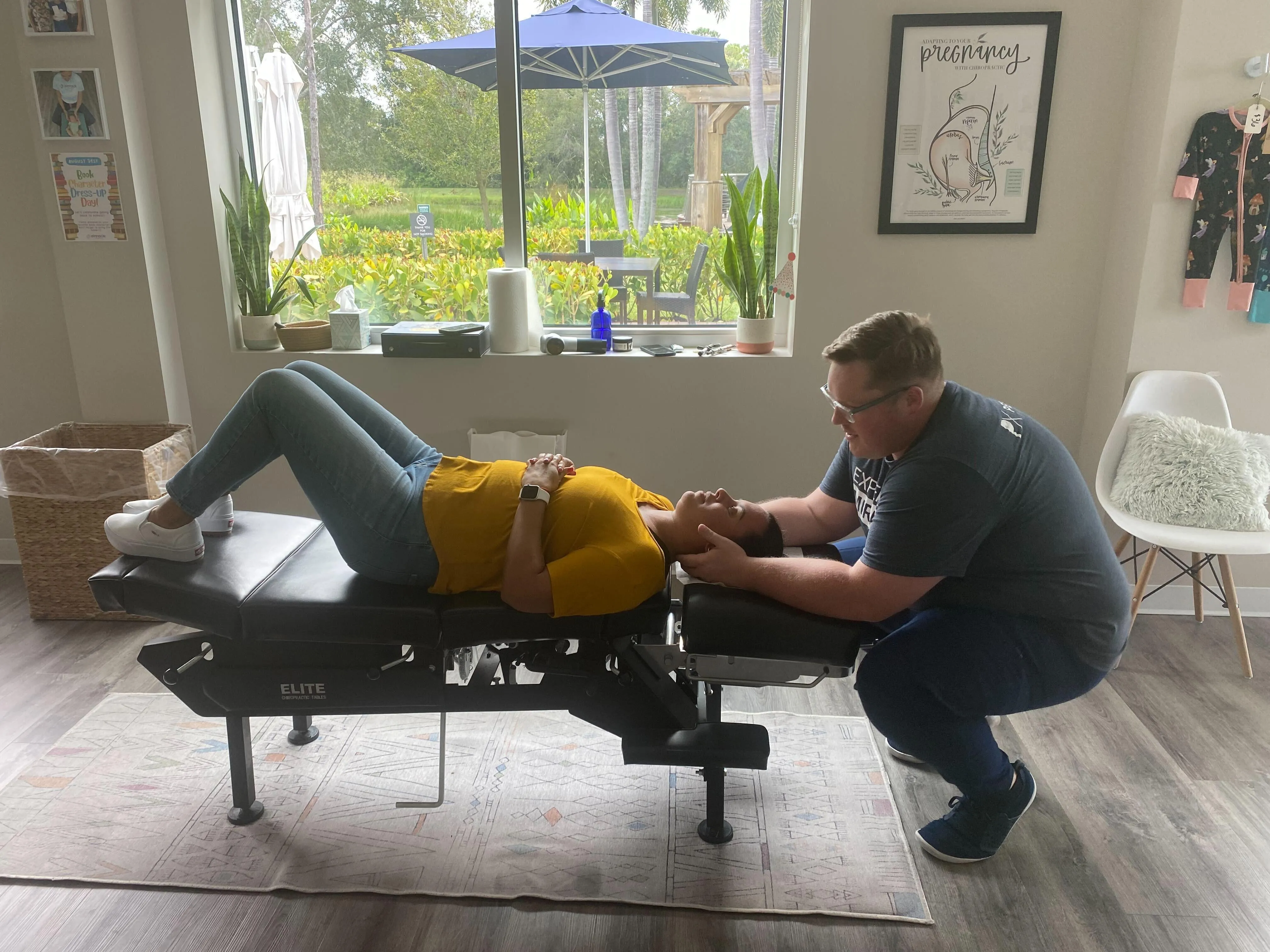
At Pinnacle Chiropractic, we start with a thorough conversation and a nervous system evaluation using objective INSiGHT scans, because we measure, we don't guess. Then we use gentle, postpartum-appropriate adjustments designed to support spinal and pelvic comfort. We do not claim to treat or close diastasis recti, and we coordinate with your OB, midwife, or physical therapist. You can learn more about our postpartum chiropractic care. If back discomfort started in pregnancy, our post on back pain during pregnancy may sound familiar.
What Moms Can Do
• Ask your provider about a pelvic floor physical therapy referral.
• Exhale and gently engage your core when lifting your baby or car seat.
• Avoid heavy straining and repeated crunches until you have guidance.
• Support your back with pillows during feeding.
• Rest when you can, and nourish yourself with protein and hydration.
FAQs
Does diastasis recti go away on its own?
Many moms see improvement in the first months after birth as tissue regains tension, but some gap can remain. A physical therapist can assess whether guided exercise would help.
Is diastasis recti dangerous?
It is common and usually not dangerous, but it can affect core support. Painful bulges or nausea with a hard bulge should be checked promptly.
When can I start exercising?
Timing depends on your delivery and recovery, so check with your OB or midwife and consider pelvic floor therapy before returning to intense core work.
Are crunches bad for diastasis recti?
Repeated crunches and heavy straining are often discouraged early on, because they increase pressure on the midline. A therapist can recommend safer alternatives.
Can chiropractic care fix diastasis recti?
No. Postpartum chiropractic care is designed to support spinal and pelvic comfort and nervous system function while you recover, working alongside your provider.
Can men or babies get diastasis recti?
It can occur in anyone, and it is common in newborns, where it usually resolves on its own as the abdominal muscles strengthen.
Final Thoughts
A belly gap after baby is a normal part of many postpartum journeys, and you do not have to guess your way through recovery. With the right assessment, patient movement, and supportive care, many moms feel stronger and more comfortable over time.
If you are postpartum and want to feel more supported in your body, Pinnacle Chiropractic is here to help. Our Webster Certified chiropractors offer gentle postpartum care and objective INSiGHT scans designed to support you through recovery. Contact Pinnacle Chiropractic to schedule a consultation.