One week your child is eating everything in sight and napping in the car. The next, their pants are suddenly too short and they're tripping over their own feet. Growth spurts can feel dramatic, for kids and for parents. Understanding what's happening makes them easier to navigate.
What Is a Growth Spurt?
Children don't grow at a perfectly steady pace. Instead, growth often happens in bursts, with periods of rapid change followed by slower stretches. Spurts happen in infancy, again in the toddler and early childhood years, and most noticeably around puberty, which starts at different ages for different kids.
Common Signs of a Growth Spurt
• Big appetite. Your child seems hungry all the time or suddenly wants extra snacks.
• More sleep, or restless sleep. Some kids need more rest; others wake more often.
• Clumsiness. Arms and legs get longer faster than the brain can recalibrate, so coordination can temporarily dip.
• Achy legs. Many kids describe achy muscles and joints. Our posts on growing pains cover this in more depth.
• Mood swings. Tiredness and hormonal shifts can make emotions run high.
The Nervous System Is Growing Too
Bones can grow faster than the muscles, tendons and nerves around them. The nervous system has to constantly update its internal map of the body, which is why a child may seem awkward or off-balance for a while. Posture may also change, especially with heavy backpacks and long periods of sitting. See protecting your child's spine from heavy backpacks.
How to Support Your Child Through a Spurt
• Offer nutritious, regular meals and snacks. Protein, healthy fats, fruits, vegetables and whole grains give a growing body what it needs.
• Protect sleep. Keep bedtimes consistent and screens off before bed.
• Keep them moving. Running, climbing, swimming and play help coordination catch up. Read about balance and coordination in children.
• Check shoes and backpacks. Properly fitting shoes and a well-fitted pack support posture.
• Be patient. Clumsiness and moodiness usually pass as the body catches up.
How Pediatric Chiropractic Care Fits In
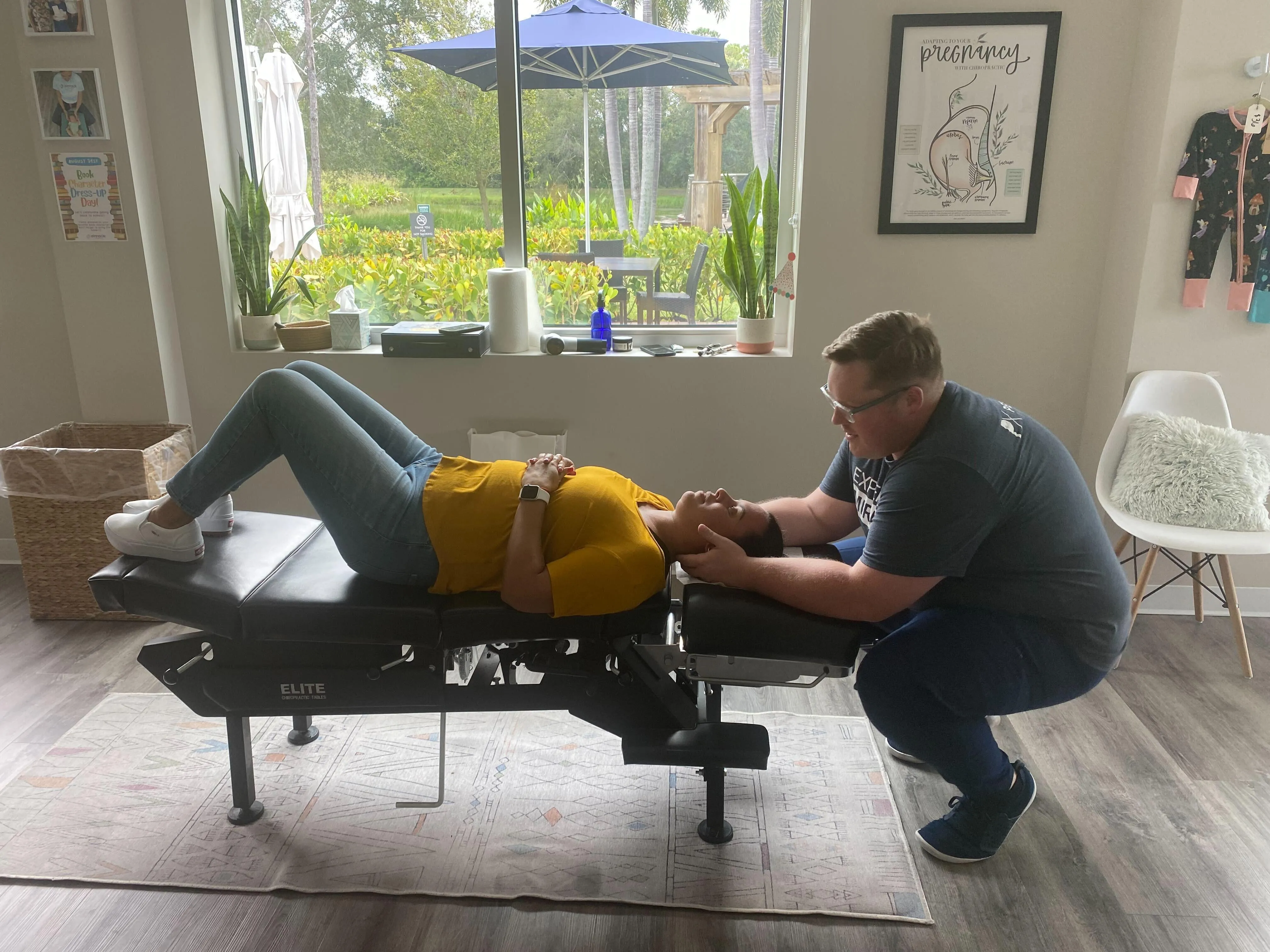
Our pediatric chiropractic care is gentle and tailored to your child's age and size. Dr. Matt Morris may start with a nervous system evaluation to look at posture, movement patterns and areas of tension, then support your child's spine and nervous system as they grow. Chiropractic care supports normal function and is not a treatment for growth disorders or other conditions.
Frequently Asked Questions
How long does a growth spurt last?
It varies, from a few days in younger children to several months during puberty.
Should I worry about growing pains?
Mild, achy leg discomfort in both legs that comes and goes is common. Pain in one leg only, swelling, redness, limping, fever, or pain that wakes your child daily or lasts through the day should be checked by a healthcare provider.
When should I ask about my child's growth?
If your child is not following their growth curve, seems much smaller or larger than peers, or shows signs of very early or late puberty, talk to your pediatrician.
Final Thoughts
Growth spurts are a normal and healthy sign that your child is developing. With nutritious food, good sleep, plenty of movement and supportive care, you can help them feel more comfortable through each stage. Contact Pinnacle Chiropractic to schedule an evaluation for your child.