.webp)
Breath-Holding Spells in Toddlers: What Parrish Parents Need to Know
Watching your toddler cry hard, stop breathing, turn blue or pale, and then go limp is one of the most frightening things a parent can witness — even when you're told, correctly, that it isn't dangerous. Breath-holding spells are more common than most parents realize, affecting up to about 5% of children, and they're not something your child is doing on purpose or something you caused. Families in Parrish, Lakewood Ranch, Sarasota, and Bradenton bring us questions about breath-holding spells often, and understanding exactly what's happening in your child's body — and what genuinely calls for a doctor's attention — can turn a terrifying moment into a manageable one.
This guide covers the two types of breath-holding spells, what triggers them, the nervous system reflex behind them, when a spell needs emergency or medical attention, and what parents in Parrish, Lakewood Ranch, Sarasota, and Bradenton can do.
Key Summary
• Breath-holding spells are an involuntary reflex, not a behavior problem — they typically begin between 6 months and 2 years of age, peak around age 2, and usually resolve by age 5 or 6.
• There are two types: cyanotic spells (about 85% of cases), triggered by crying after frustration, anger, or pain, and pallid spells, triggered by sudden fright or pain, involving a vagal nerve reflex that briefly slows the heart.
• A typical spell lasts under a minute or two from start to full recovery, and the child returns to acting completely normal afterward.
• Any child's first breath-holding spell should be evaluated by a pediatrician to rule out other causes, including seizures or heart-rhythm issues that can look similar.
• Breath-holding spells are sometimes linked to iron-deficiency anemia, and your pediatrician may check bloodwork, especially for frequent spells.
• Call 911 if your child does not resume normal breathing within about two minutes, or if a spell involves prolonged jerking or doesn't resolve the way past spells have.
What Are Breath-Holding Spells?
A breath-holding spell is an involuntary reflex response to distress or pain — not a choice, and not a tantrum tactic, even though it's often triggered by a child being upset. The body essentially short-circuits its normal breathing pattern for a few seconds, which can be enough to cause a brief loss of consciousness. It happens because a young nervous system's stress-response wiring is still developing, and in some children that wiring responds to a strong trigger with this particular reflex.
Breath-holding spells affect up to roughly 5% of children, most often starting between 6 months and 2 years old, peaking around age 2, and typically fading out by age 5 or 6. They tend to run in families.
The Two Types of Breath-Holding Spells
Cyanotic Spells
The more common type, making up about 85% of cases. A cyanotic spell is usually triggered by frustration, anger, or pain. The child cries hard, then stops breathing during exhalation, and their lips or face turn blue or dusky. They may briefly lose consciousness and their body may go limp or stiffen slightly. Breathing and color return to normal within about a minute.
Pallid Spells
Less common, and often triggered by a sudden fright or unexpected pain, such as a minor bump to the head. Instead of crying hard first, the child may barely cry — or not cry at all — before suddenly going pale, gray, and limp. Pallid spells involve a reflex that briefly slows the heart rate; some children experience brief jerking movements, and it's not unusual for a child to lose bladder control during a spell. Like cyanotic spells, recovery generally happens within about a minute.
What Triggers a Spell
• Frustration or anger — being told no, having a toy taken away, or not getting their way
• A minor injury or sudden pain, like a small bump or fall
• Sudden fright or surprise
• Being overtired, which can make a child more prone to an intense reaction
When to Seek Medical Attention
Breath-holding spells themselves are not dangerous, and they do not cause brain damage or long-term harm — but because they can look similar to more serious conditions, medical evaluation matters:
• Have any first-time spell evaluated by your pediatrician. Because breath-holding spells can resemble seizures or, rarely, heart-rhythm problems, a doctor needs to confirm what you're actually seeing before you can be confident it's a breath-holding spell.
• Call 911 immediately if your child does not resume normal breathing within about two minutes, if they remain unresponsive longer than usual, or if something about the episode seems different or more severe than a typical spell.
• Mention frequent spells to your pediatrician — they may check for iron-deficiency anemia, which has a documented connection to breath-holding spells, and iron supplementation (when appropriate and guided by your pediatrician) has been shown to reduce how often some children have spells.
• Bring up any spell involving prolonged stiffening, repetitive jerking that continues after color and breathing return to normal, or confusion lasting more than a few minutes, since these features warrant a closer look to rule out a seizure.
These are firm lines, not areas for chiropractic care to weigh in on — a first spell, or any spell that doesn't resolve the way it should, needs your pediatrician or emergency care first.
What Parents Can Do
• During a spell: Stay calm, lay your child on their side or back on a flat surface, and make sure the area around them is clear of anything they could bump into. Don't shake them or put anything in their mouth.
• After a spell: Comfort your child normally once breathing and color return — most children act completely normal within a minute or two and won't remember the episode.
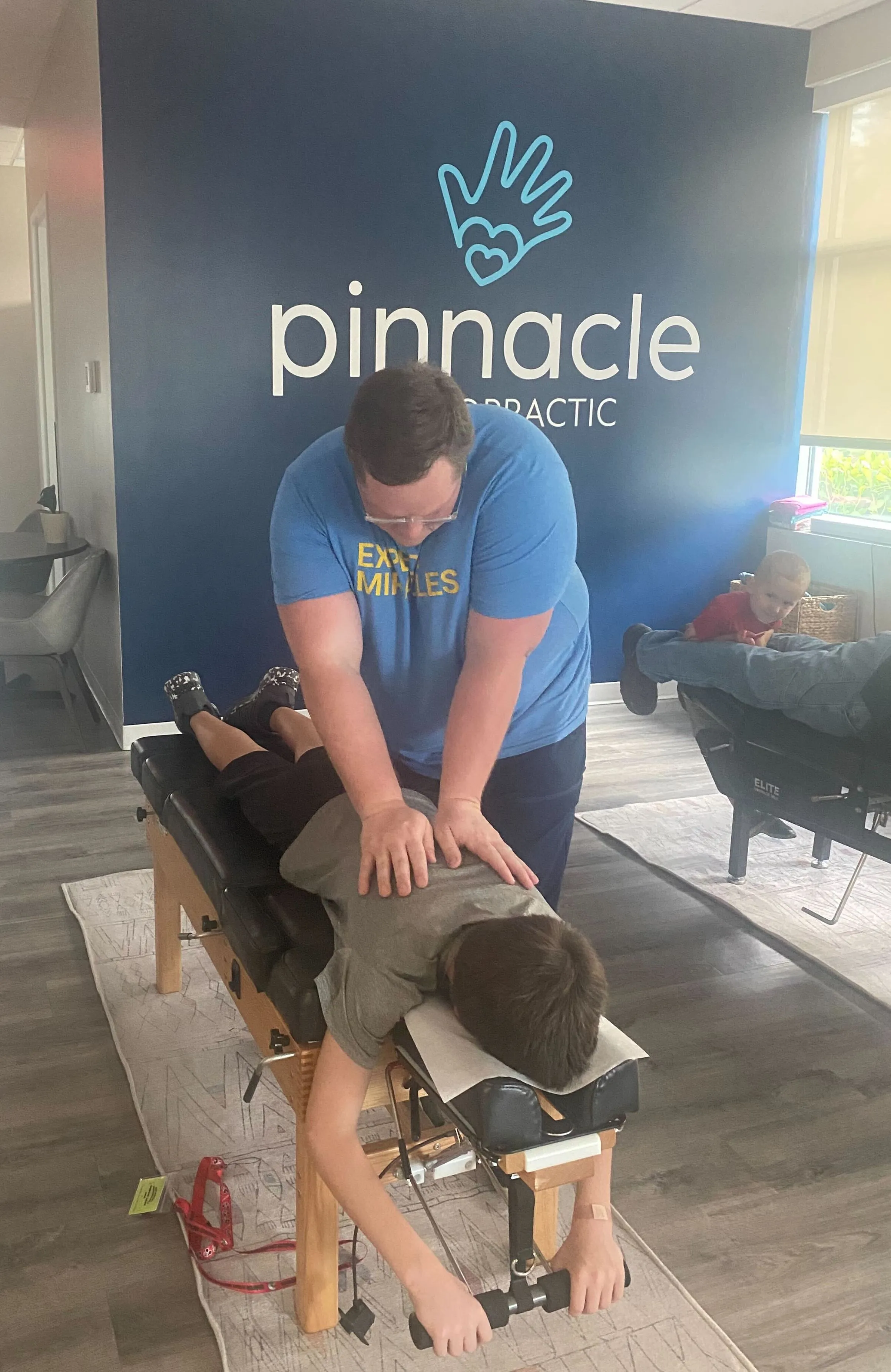
• Have your child evaluated by a pediatric chiropractor alongside your pediatrician, especially for frequent spells — supporting healthy nervous system regulation is a piece of the puzzle for some families managing this reflex.
• Avoid over-reacting in the moment when you can. This is genuinely hard given how alarming spells look, but some children have more frequent spells when a strong parental reaction (understandably) reinforces the pattern around frustration-triggered episodes.
• Keep a log of when spells happen, what triggered them, how long they lasted, and what type they seemed to be — useful information for your pediatrician, especially if frequency changes.
• Ask your pediatrician about iron levels if spells are frequent, since correcting an iron deficiency (when one is present) has helped reduce spell frequency for some children.
The Nervous System Connection
Breath-holding spells are fundamentally a nervous system reflex — cyanotic spells involve the breathing-control pathways overriding themselves under emotional stress, while pallid spells involve the vagus nerve, part of the autonomic nervous system that regulates heart rate. At Pinnacle Chiropractic, we look at how well a child's autonomic nervous system is regulating overall, since a nervous system under chronic stress or tension may have a harder time modulating these reflex responses smoothly. This doesn't mean chiropractic care stops spells from happening, but supporting overall nervous system regulation is a reasonable piece of a broader plan for families managing frequent episodes, alongside your pediatrician's guidance.
How Pinnacle Chiropractic Approaches This
At Pinnacle Chiropractic, we use INSiGHT scans, including HRV (a measure of autonomic nervous system adaptability, which is directly relevant to how the vagus nerve and stress-response system are functioning), to look at patterns of nervous system stress and regulation — we measure, we don't guess. Gentle, pediatric-specific chiropractic adjustments are designed to support healthy nervous system function as one part of a broader approach to your child's overall well-being.
Chiropractic care does not diagnose or treat breath-holding spells, and it isn't a substitute for the pediatrician evaluation every child having spells needs — especially for a first episode or any spell that doesn't resolve typically. It's best used as a complement to your pediatrician's care, not in place of it.
Frequently Asked Questions
Are breath-holding spells dangerous?
The spells themselves are not dangerous and don't cause brain damage, even though they're frightening to watch. That said, a first-time spell should always be evaluated by your pediatrician to confirm what's actually happening, and you should call 911 if your child doesn't resume normal breathing within about two minutes.
Is my child doing this on purpose?
No. Breath-holding spells are an involuntary reflex, not a deliberate behavior or a manipulation tactic, even though they're often triggered by frustration or anger. Your child cannot control it happening.
How can I tell a breath-holding spell from a seizure?
This distinction should be made by your pediatrician, especially the first time it happens. In general, a breath-holding spell has a clear trigger (crying, pain, or fright) that comes before the episode, while seizures often don't. Prolonged jerking that continues after color and breathing return to normal, or ongoing confusion afterward, are reasons to have your pediatrician evaluate for a seizure.
Can chiropractic care stop breath-holding spells?
Chiropractic care doesn't diagnose or stop breath-holding spells on its own. Gentle pediatric chiropractic adjustments are designed to support healthy nervous system regulation, which may be a helpful complement for some families alongside your pediatrician's guidance — particularly since the reflex involves the autonomic nervous system.
Does iron deficiency cause breath-holding spells?
Research has found a connection between iron-deficiency anemia and breath-holding spells in some children, and correcting a documented deficiency has been shown to reduce spell frequency for some kids. Ask your pediatrician whether checking iron levels makes sense for your child.
Will my child outgrow breath-holding spells?
Most children do, typically by age 5 or 6, as the nervous system pathways involved continue to mature.
What should I do the moment a spell starts?
Stay calm, lay your child on a flat surface away from anything they could bump into, and don't put anything in their mouth or shake them. Most spells resolve within a minute. Call 911 if breathing doesn't return within about two minutes or the episode seems different from past spells.
Final Thoughts
Breath-holding spells are genuinely alarming to witness, but for the vast majority of children, they're a benign, if dramatic, nervous system reflex that resolves within a minute and fades entirely by the early school years. Getting a first spell properly evaluated, knowing the clear signs that call for emergency care, and understanding the nervous system reflex behind these episodes can help your family feel more prepared the next time one happens.
If your child experiences breath-holding spells, general nervous system stress, or other regulation challenges, Pinnacle Chiropractic can help you better understand what may be contributing to it and support their overall well-being alongside your pediatrician's care. Our neurologically focused approach uses objective INSiGHT scans and gentle chiropractic adjustments designed specifically for children. Pinnacle Chiropractic proudly serves families throughout Parrish, Lakewood Ranch, Sarasota, and Bradenton — contact us to schedule a consultation.



.webp)
.webp)