Head Bumps and Concussions in Kids: What Parents Should Know
Kids fall, collide, and tumble, and most head bumps are minor. But a concussion is a brain injury, and it can happen without a loss of consciousness or any visible mark. Knowing the signs helps parents respond calmly and get the right care. At Pinnacle Chiropractic, we support families across Lakewood Ranch, Sarasota, and Bradenton, and we want every parent to know where chiropractic care fits and where it does not.
The most important point comes first: a suspected concussion needs a medical evaluation. Chiropractic care does not diagnose or treat concussions. Once a child has been evaluated and cleared by a medical provider, nervous system care may be part of supporting overall recovery.
Key Summary
• A concussion is a brain injury caused by a bump, blow, or jolt to the head or body, and it does not require passing out.
• Signs can include headache, dizziness, nausea, confusion, sensitivity to light or noise, and changes in mood or sleep.
• Certain warning signs, like repeated vomiting, worsening headache, or unusual drowsiness, need emergency care right away.
• Rest, a gradual return to school and play, and medical clearance are the foundation of recovery.
• Gentle chiropractic care is designed to support nervous system function and neck comfort after a child has been medically cleared, not to treat the injury itself.
What Is a Concussion?
A concussion happens when a force moves the brain inside the skull and temporarily changes how it works. Falls, sports collisions, bike accidents, and playground mishaps are common causes. Because the injury is functional rather than structural, scans often look normal, and diagnosis relies on symptoms and examination by a qualified medical provider.
Signs Parents May Notice
Symptoms can appear right away or develop over hours or days, and younger children may not be able to describe how they feel.
• Headache or a feeling of pressure in the head.
• Dizziness, balance problems, or clumsiness.
• Nausea or vomiting.
• Confusion, a dazed look, or trouble remembering what happened.
• Sensitivity to light or noise.
• Unusual irritability, crying, sadness, or changes in sleep.
• In toddlers, changes in play, appetite, or balance.
Warning Signs That Need Emergency Care
Go to the emergency room or call 911 if your child has a seizure, repeated vomiting, a headache that keeps getting worse, unusual sleepiness or difficulty waking, one pupil larger than the other, weakness or numbness, slurred speech, clear fluid from the nose or ears, or does not recognize people or places. For infants and toddlers, persistent crying that cannot be soothed after a head injury also warrants prompt evaluation.
Why Recovery Needs Patience
Most children recover within a few weeks, but pushing too fast can prolong symptoms. Current guidance generally favors a short period of relative rest followed by a gradual, symptom-guided return to school and activity under a medical provider's direction. Returning to sports before clearance raises the risk of a second injury, which can be more serious.
The Nervous System Connection
After a head injury, the nervous system is working to restore balance, and children often feel the effects in sleep, mood, focus, and neck tension. Our article on chronic headaches and migraines in children explains how neck tension and nervous system regulation can contribute to headache patterns. A fall that jolts the head often strains the neck as well, which is one reason some families look for support after medical clearance.
How Pinnacle Chiropractic Approaches Care After a Head Injury
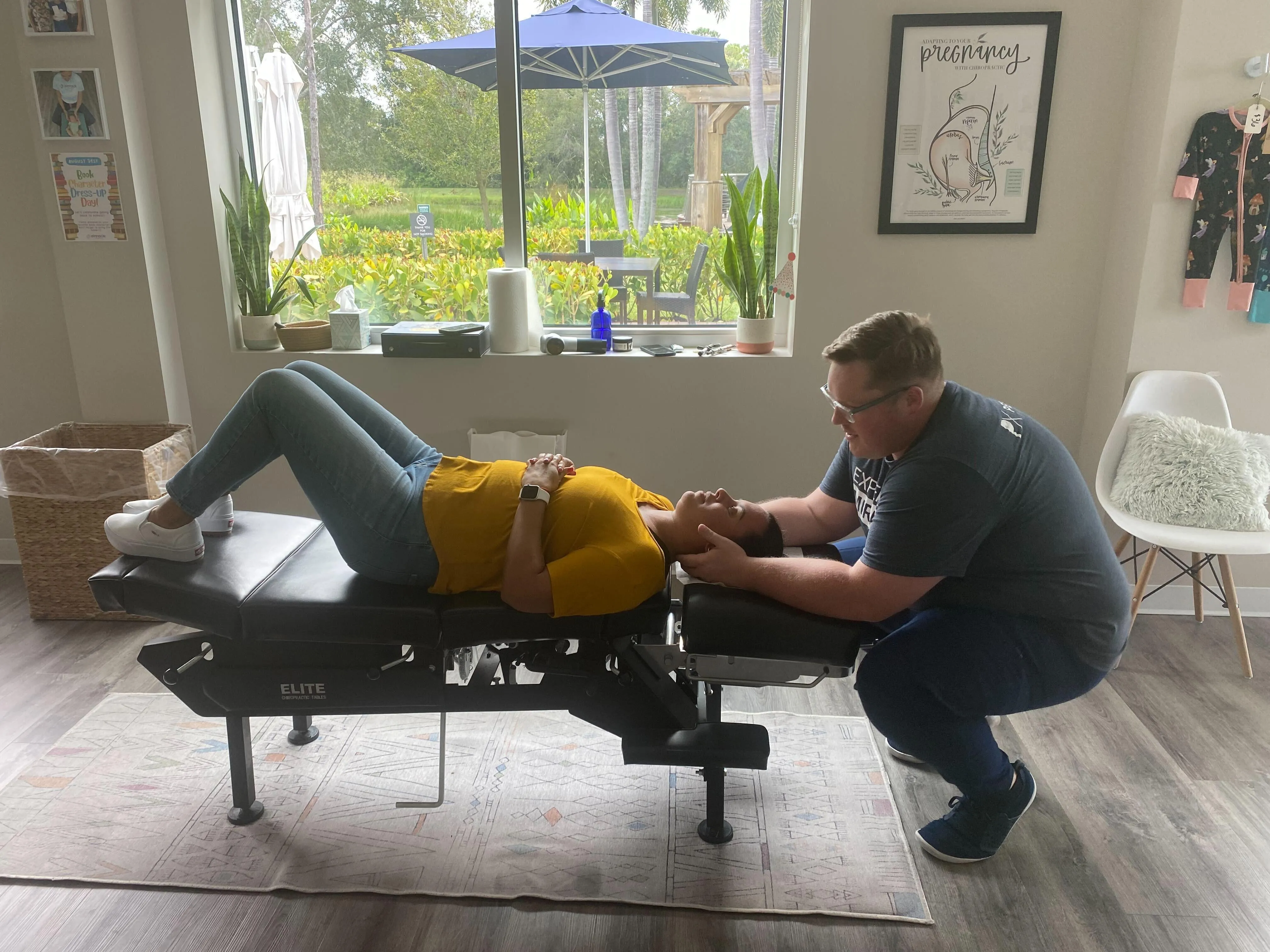
At Pinnacle Chiropractic, we ask families to see their pediatrician or an urgent care provider first when a head injury is suspected. Once your child has been evaluated and cleared, we begin with a nervous system evaluation using objective INSiGHT scans, because we measure, we don't guess. We then create a personalized plan of gentle, age-appropriate pediatric chiropractic adjustments designed to support nervous system function and neck comfort. We do not claim to treat or cure concussions, and we work alongside your child's medical team. If your child is also dealing with big emotions and meltdowns after an injury, regulation support can be part of the conversation.
What Parents Can Do
• Seek medical evaluation after any significant head impact or when symptoms appear.
• Follow your provider's guidance on rest, screens, school, and return to play.
• Keep a simple symptom log to share with providers.
• Support steady sleep, hydration, and nourishing meals.
• Use helmets for biking, skating, and sports, and make sure they fit well.
FAQs
Can a child have a concussion without passing out?
Yes. Most concussions occur without a loss of consciousness, so symptoms matter more than whether your child blacked out.
Should I keep my child awake after a head bump?
Sleep itself is not harmful, but follow your provider's guidance. If your child is hard to wake, seems confused, or has warning signs, seek emergency care.
How long does concussion recovery take?
Many children improve within a few weeks, though some take longer. Recovery varies, so follow the guidance of your child's medical provider.
When can my child return to sports?
Only after medical clearance and a gradual, step-by-step return. Going back too soon increases the risk of another injury.
Can chiropractic care treat a concussion?
No. Concussions are evaluated and managed by medical providers. After clearance, gentle pediatric chiropractic care is designed to support nervous system function and neck comfort alongside your child's medical care.
Do kids need screen limits after a concussion?
Many providers suggest limiting screens briefly while symptoms are strong, then easing back as tolerated. Follow your provider's specific advice and see our post on managing screen time for kids for general habits.
Final Thoughts
Most head bumps are minor, but knowing the signs of a concussion and the warning signs that need emergency care helps you act with confidence. Medical evaluation comes first, patient recovery comes next, and supportive care can follow once your child is cleared.
If your child is recovering and you want to understand how their nervous system is adapting, Pinnacle Chiropractic is here to help. Our neurologically focused approach uses objective INSiGHT scans and gentle pediatric chiropractic adjustments designed specifically for children. Contact Pinnacle Chiropractic to schedule a consultation.