The Modern Dad's Health Challenge in Sarasota
Picture this: It's 6:30 AM in Sarasota, and you're already mentally running through your day—client meetings, school pickup, dinner prep, and maybe, if you're lucky, squeezing in some quality time with the family before bedtime stories begin. Sound familiar? You're not alone in this daily juggling act that defines modern fatherhood in our beautiful Gulf Coast community.
The reality is that Sarasota dads are caught in a perfect storm of competing demands. Our thriving business community means longer hours at desks, hunched over laptops during video calls that stretch well into the evening. Meanwhile, our year-round outdoor lifestyle beckons—beach days with the kids, weekend sports activities, and those spontaneous adventures that make Florida living so special. Add in the physical demands of active parenting—lifting growing children, carrying beach gear, and chasing toddlers around Bayfront Park—and it's no wonder your body is sending you some not-so-subtle signals.
The most common pain patterns we see in busy Sarasota fathers tell a story of modern life's toll on the nervous system. That persistent neck tension isn't just from poor posture during Zoom meetings; it's your body stuck in sympathetic stress mode, like having your gas pedal pressed down all day long. The lower back strain that flares up after a day of lifting kids and car seats reflects a nervous system struggling to coordinate proper movement patterns under constant demand. And those tight shoulders that seem to creep up toward your ears? They're carrying far more than just physical weight—they're holding the invisible load of fatherhood that comes with being the provider, protector, and present parent you strive to be.
Here's where many Sarasota dads fall into a familiar trap: the "push through the pain" mentality that served us well on high school football fields suddenly becomes our worst enemy. We tell ourselves that a little discomfort is just part of being busy, successful fathers. We reach for over-the-counter pain relievers, promise ourselves we'll stretch more tomorrow, or convince ourselves that the weekend will provide enough rest to reset.
But here's what we've learned from helping countless active fathers in our community: ignoring these early warning signs doesn't just affect your physical comfort—it impacts your ability to show up fully for the moments that matter most. When your nervous system is stuck in fight-or-flight mode, you're not just dealing with physical tension; you're operating with decreased patience, reduced focus, and less emotional availability for your family.
The traditional approach of symptom management misses a crucial piece of the puzzle. Your body isn't broken—it's brilliantly designed to adapt and heal when given the right support. Understanding the power of personalized care means recognizing that your health challenges aren't separate from your lifestyle; they're directly connected to how your nervous system responds to the beautiful chaos of modern fatherhood.
What if instead of pushing through pain, you could address the root cause? What if there was a way to help your nervous system shift from that constant state of stress to a place where healing, energy, and presence become your natural state? 10 years of transforming family health has taught us that when dads prioritize their nervous system health, the entire family benefits—and that's a investment worth making.
Understanding Your Body's Stress Response as a Father
As a Sarasota dad, you've probably noticed how your body feels different than it did five or ten years ago. Maybe your shoulders carry more tension after long workdays, or you find yourself lying awake at night despite being exhausted. What you're experiencing isn't just "getting older"—it's your nervous system responding to the unique pressures of modern fatherhood, and understanding this response is the first step toward maintaining a pain-free lifestyle.
The Gas Pedal vs. Brake Pedal - How Your Nervous System Responds to Daily Pressures
Think of your nervous system like the controls in your car. Your sympathetic nervous system acts like the gas pedal—it revs you up for action, increases your heart rate, and prepares your body to handle challenges. Your parasympathetic nervous system functions as the brake pedal, helping your body rest, digest, and recover. In a healthy system, these two work in perfect balance throughout your day.
However, as a busy dad juggling work deadlines, family responsibilities, and personal goals, your gas pedal often gets stuck to the floor. Every morning alarm, every work email, every concern about your child's development—whether it's wondering about behavioral challenges that might stem from nervous system issues or sleep difficulties your family might be experiencing—keeps that sympathetic system firing.
When your nervous system function becomes imbalanced, your body stays in constant "go mode," even when you're trying to relax. This chronic activation affects everything from your muscle tension to your sleep quality, creating a cascade of physical symptoms that many dads simply accept as normal.
Physical Manifestations of Chronic Stress in Active Dads
Chronic sympathetic activation doesn't just affect your mood—it creates real, measurable changes in your body. Your muscles remain in a state of subtle contraction, particularly in areas that bear the most load during your daily activities. The neck and shoulders, which support your head during long hours at a computer, become chronically tight. Your lower back, which stabilizes your core during everything from lifting your toddler to carrying groceries, develops persistent tension patterns.
You might notice that your jaw clenches during stressful moments, or that your breathing becomes shallow throughout the day. These aren't separate issues—they're all connected through your nervous system's stress response. Many Sarasota dads find that regular chiropractic adjustments help their bodies remember how to shift from that constant "gas pedal" state back into a more balanced rhythm.
The inflammation that accompanies chronic stress also affects your recovery time. That weekend softball game or morning jog that used to leave you feeling energized now seems to create lingering soreness. Your body's natural healing processes slow down when it's constantly preparing for the next challenge.
Why Your Body Gets 'Stuck' in Fight-or-Flight Mode
Your nervous system evolved to handle acute stressors—like escaping from danger—not the constant, low-level pressures of modern life. When you're mentally preparing for a challenging work presentation while simultaneously worrying about your child's upcoming school event, your brain interprets these as threats requiring immediate action.
The problem isn't that you experience stress—it's that your nervous system never gets the clear signal that the threat has passed. Unlike our ancestors who could physically run from danger and then rest, today's stressors are often mental and ongoing. Your body maintains that heightened state of alertness, keeping muscles tense and stress hormones elevated long after they're needed.
This is where understanding the real impact of nervous system-based chiropractic care becomes crucial for busy fathers. When your spine and nervous system are functioning optimally, your body can more easily transition between active and rest states, allowing for better recovery and reduced pain patterns.
The good news is that your nervous system is remarkably adaptable. With the right approach, including targeted chiropractic adjustments and lifestyle modifications, you can help your body remember how to use both the gas pedal and brake pedal effectively, creating space for the pain-free, energetic fatherhood experience you're seeking.
Building a Sustainable Dad Fitness Routine
Creating a dad fitness routine that actually sticks isn't about finding more hours in your day—it's about working smarter, not harder. As a Sarasota father juggling work deadlines, family commitments, and perhaps weekend soccer coaching, you need an approach that builds strength and prevents injury without requiring a gym membership you'll rarely use.
The key to sustainable fitness lies in understanding that your body craves consistent movement over sporadic intense sessions. When your nervous system is already managing the stress of fatherhood, adding overly demanding workouts can actually push you further into that fight-or-flight mode we discussed earlier. Instead, focus on movement patterns that help your body shift toward rest-and-digest, promoting recovery and long-term health.
Time-Efficient Workouts That Actually Work for Busy Schedules
The most effective dad fitness routine revolves around compound movements that work multiple muscle groups simultaneously. Think squats, push-ups, planks, and lunges—exercises that mirror real-life movements like lifting your toddler or carrying groceries. A 15-20 minute morning routine combining these movements can be more beneficial than an hour-long gym session you can only manage once a week.
Consider the "exercise snacking" approach: three 10-minute movement breaks throughout your day. Morning mobility stretches while your coffee brews, bodyweight exercises during lunch, and evening walks with the family. This approach keeps your metabolism active and prevents the muscle tension that builds from prolonged sitting at work.
High-intensity interval training (HIIT) adapted for busy dads works exceptionally well. Alternate between 30 seconds of activity and 30 seconds of rest for 10-15 minutes. You can do this in your backyard, living room, or garage—no equipment necessary. The beauty of this approach is that it improves cardiovascular health while building functional strength that translates to daily activities.
Injury Prevention Strategies for Weekend Warriors
Many Sarasota dads fall into the "weekend warrior" trap—sedentary during the week, then pushing hard during weekend activities. This pattern is a recipe for injury and chronic pain. Your body needs consistent preparation for those weekend bike rides, beach volleyball games, or backyard projects.
Dynamic warm-ups are non-negotiable, especially as an active father. Spend five minutes moving your joints through their full range of motion before any activity. Arm circles, leg swings, and gentle twists prepare your nervous system for movement and reduce injury risk significantly.
Recovery becomes increasingly important as we age, but it's often the first thing busy dads skip. Your muscles repair and strengthen during rest periods, not during the workout itself. Prioritize sleep quality, as this is when your body produces growth hormone and repairs tissue damage. Even short afternoon naps can boost recovery when nighttime sleep is fragmented by family responsibilities.
Incorporating Movement Into Family Time and Daily Activities
The most sustainable approach to active father health involves making fitness a family affair. Transform your children's playtime into your workout time. Chase games in the backyard double as cardio, while playground visits offer opportunities for pull-ups on monkey bars and step-ups on benches.
Teaching your children about movement and body awareness creates lifelong healthy habits while meeting your fitness needs. Activities that improve balance and coordination in children benefit the whole family. Obstacle courses in your living room, family dance parties, or nature walks all contribute to everyone's wellness.
Consider practical movement integration: take walking meetings when possible, use a standing desk, or park farther from entrances. These micro-movements accumulate throughout the day, supporting your overall health without requiring dedicated workout time.
Remember that family wellness extends beyond exercise. Proper hydration supports your energy levels and recovery. While many adults reach for sugary sports drinks, natural electrolytes for athletes provide better sustained energy. This principle applies to your children too—best electrolytes for kids support their active play and cognitive function.
Building a sustainable dad fitness routine isn't about perfection—it's about consistency and making movement a natural part of your family's lifestyle. When your body functions optimally, you show up as a better father, partner, and role model for healthy living.
The Power of Routine Chiropractic Adjustments for Men
As a dad in Sarasota, you're constantly putting your body through its paces—lifting toddlers, carrying groceries, hunching over computers, and maybe even squeezing in weekend sports. While you might think chiropractic care is just for when your back "goes out," routine chiropractic adjustments for men offer something far more powerful: a proactive approach to keeping your nervous system functioning at its peak so you can show up fully for your family.
Think of your nervous system like the electrical panel in your home. When everything's working properly, the lights turn on, the appliances run smoothly, and life flows effortlessly. But when there's interference in the system—whether from physical stress, poor posture, or the daily grind of dad life—it's like having a faulty wire that affects multiple rooms. Your body starts compensating, leading to tension, fatigue, and eventually pain that sidelines you from the activities and moments that matter most.
How Regular Adjustments Support Your Body's Natural Healing Design
Your body is designed with an incredible capacity to heal and adapt, but it needs the right conditions to do so effectively. Regular chiropractic care works by removing interference in your nervous system, allowing your body to shift from that constant "fight-or-flight" mode that many busy dads live in to a more balanced state where healing and recovery can actually happen.
When your spine is properly aligned and your nervous system is functioning optimally, your body can better manage stress, recover from workouts more efficiently, and maintain the energy levels you need to chase after kids at the park or tackle that weekend home improvement project. This isn't just about feeling good in the moment—it's about building a foundation for long-term health and vitality.
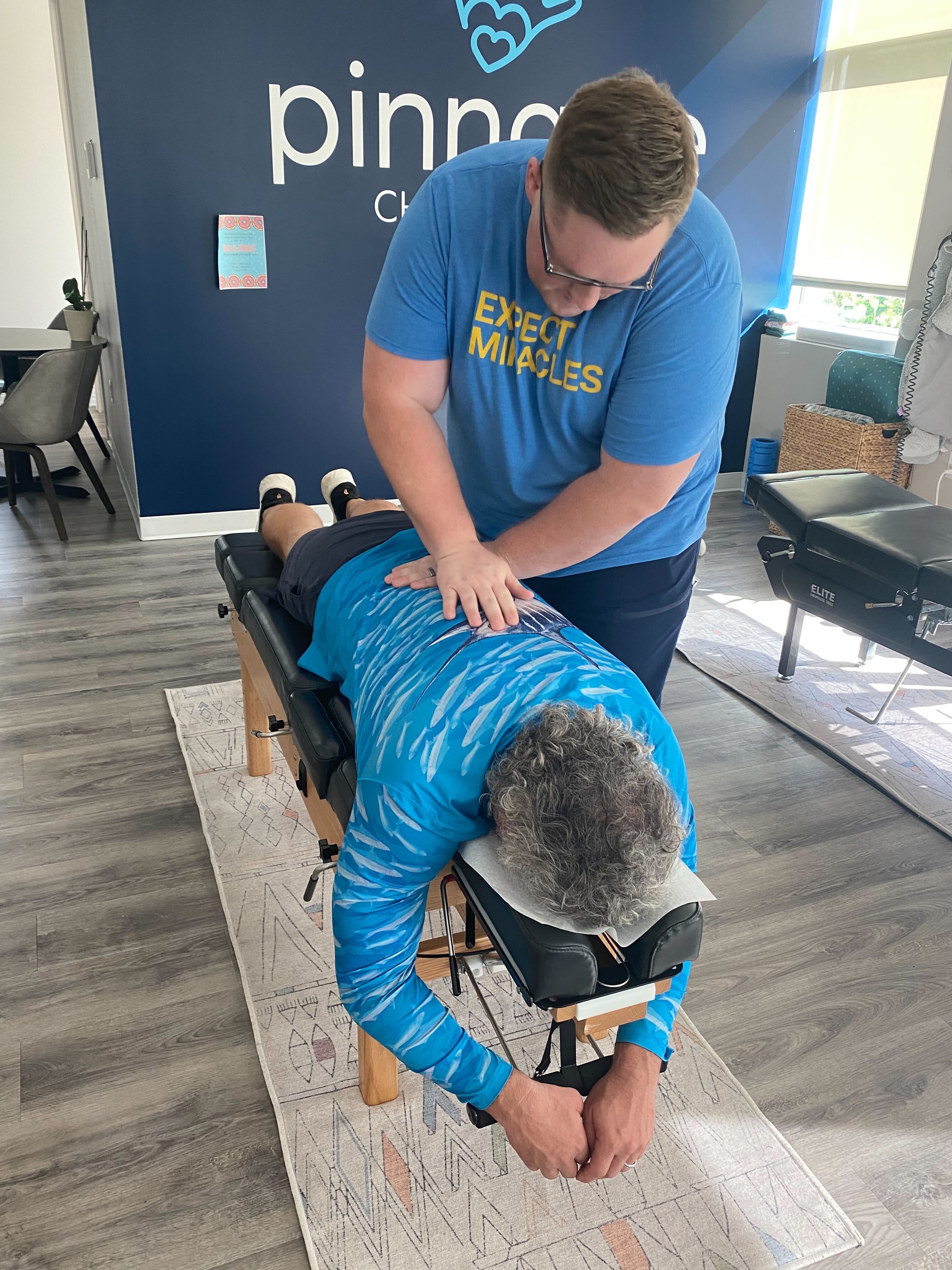
The beauty of nervous system-based care lies in its focus on function rather than just symptoms. While traditional approaches might wait until you're experiencing pain to intervene, routine adjustments work preventively, helping your body maintain optimal function before problems develop. This approach recognizes that your body's innate wisdom knows how to heal when given the right support and environment.
Optimizing Performance vs. Just Treating Pain - The Proactive Approach
Most men have been conditioned to "push through" discomfort and only seek help when they're truly struggling. But what if instead of waiting for your body to break down, you took a proactive approach to maintaining peak performance? This shift in mindset—from reactive treatment to proactive optimization—can be transformative for busy dads.
Regular chiropractic adjustments help optimize your body's performance in several key ways. First, they improve your body's ability to adapt to stress, whether that's physical stress from lifting and carrying or mental stress from work deadlines and family responsibilities. When your nervous system is functioning properly, you're better equipped to handle whatever life throws your way without it taking such a toll on your body.
Additionally, routine care can enhance your sleep quality, which is crucial for recovery and maintaining the patience and energy needed for parenting. Many dads report sleeping more soundly and waking up feeling more refreshed after incorporating regular adjustments into their wellness routine. This improved rest translates into better mood, clearer thinking, and more energy for family activities.
The proactive approach also means fewer missed opportunities due to injury or pain. Instead of having to skip that family hiking trip because your back is acting up, or missing your child's soccer game because you tweaked something moving furniture, you're maintaining your body in a way that keeps you active and engaged in the moments that matter most.
What to Expect During Your First Visit to a Sarasota Family Wellness Center
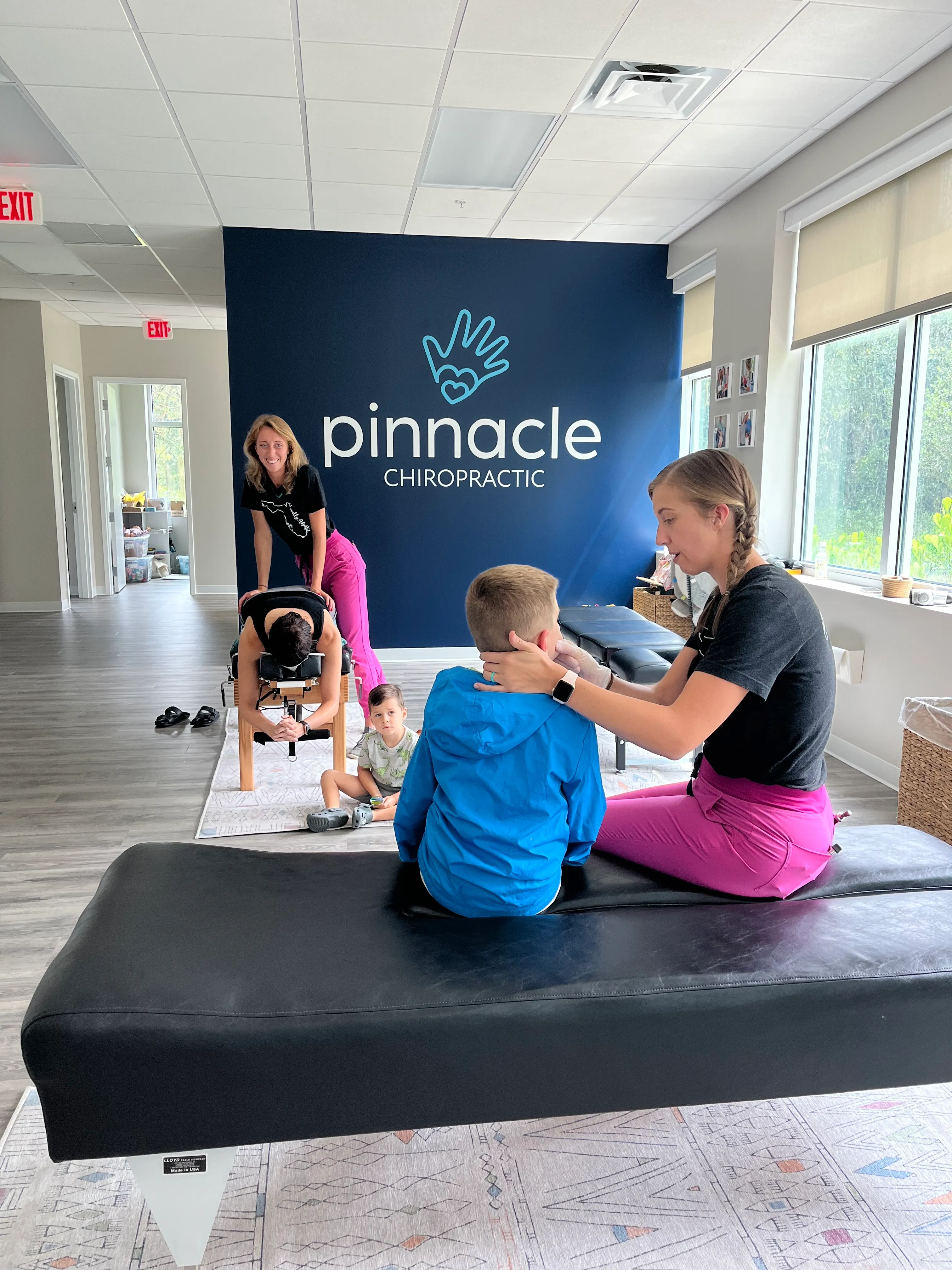
Walking into a chiropractic office for the first time can feel intimidating, especially if you're not sure what to expect. At a quality Sarasota family wellness center, your first visit should feel more like a conversation with a knowledgeable friend than a clinical examination. The focus will be on understanding your unique situation, lifestyle, and health goals rather than just addressing isolated symptoms.
During your initial consultation, expect to discuss not just any current discomfort you might be experiencing, but also your daily routines, stress levels, exercise habits, and overall health picture. This comprehensive approach helps identify patterns and potential areas of concern before they become major issues. You might be surprised to learn how the integration of chiropractic care with other therapeutic approaches can provide even more comprehensive support for your family's wellness journey.
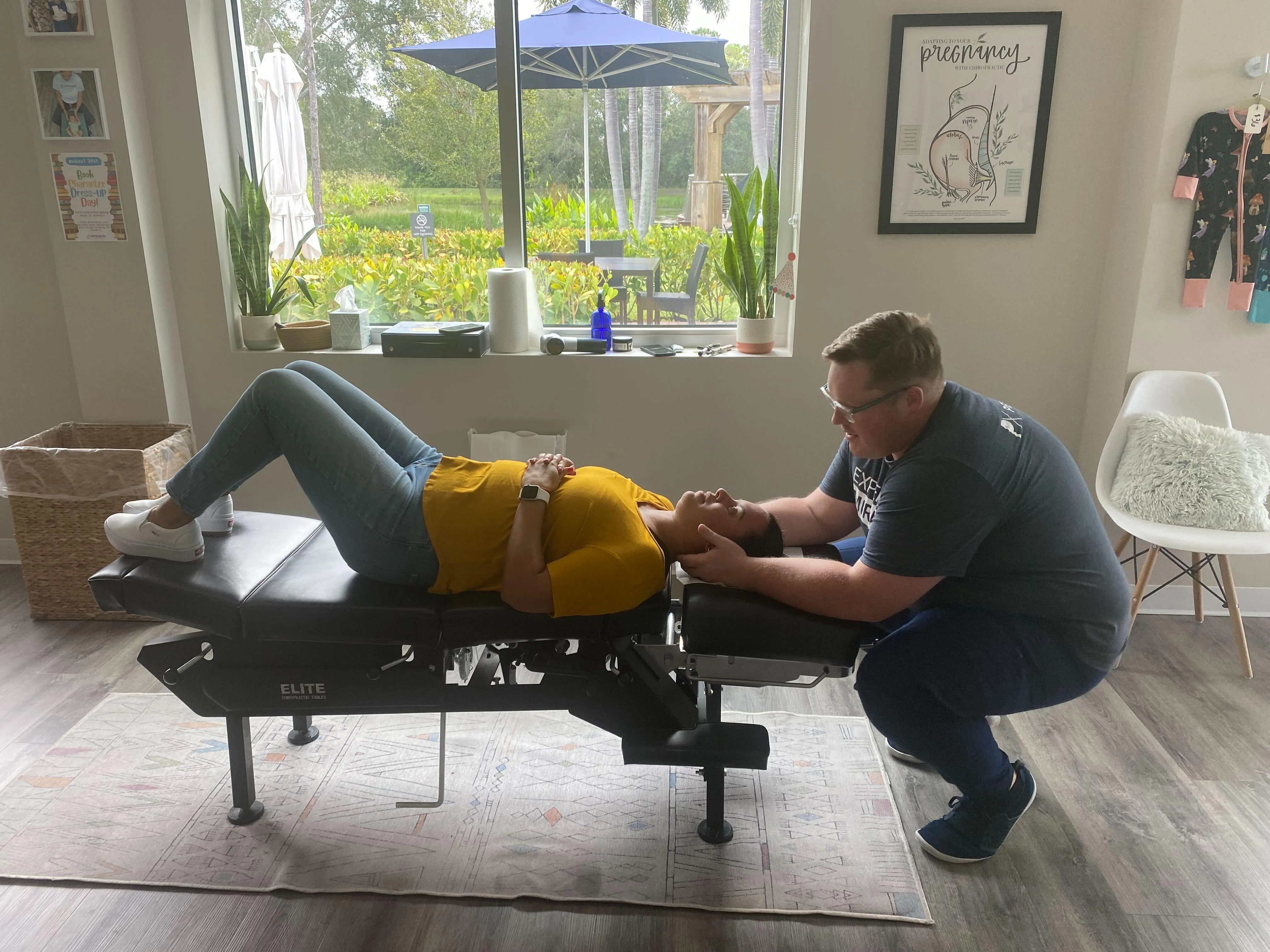
The examination itself is typically gentle and thorough, focusing on how your nervous system is functioning rather than just looking for areas of pain. Your chiropractor will likely assess your posture, range of motion, and how your body responds to various movements and positions. This information helps create a personalized care plan that addresses your specific needs and goals.
What sets family-focused practices apart is their understanding that your health impacts your entire family. When you're functioning at your best, you're more present, patient, and energetic as a father and partner. This holistic perspective recognizes that investing in your health isn't selfish—it's one of the best gifts you can give your family.
Many men are pleasantly surprised to discover that chiropractic care aligns perfectly with core values of comprehensive family wellness, emphasizing natural approaches that support the body's inherent ability to heal and thrive. This philosophy resonates with dads who want to model healthy choices for their children and create a foundation of wellness that extends throughout the family.
The goal isn't to create dependency on care, but rather to help you understand how your body works and what it needs to function optimally. Many fathers find that regular adjustments become as routine as exercise or good nutrition—a proactive investment in their long-term health and their ability to be the dad they want to be. Just as research shows chiropractic care can positively impact behavior in children, adults often experience improvements in mood, energy, and overall well-being when their nervous systems are functioning properly.
By taking a proactive approach to your health through routine chiropractic adjustments, you're not just preventing future problems—you're optimizing your body's ability to handle the beautiful chaos of dad life while maintaining the strength and vitality to fully engage with your family for years to come.
Creating Your Personalized Wellness Strategy
As a busy dad juggling work deadlines, family activities, and household responsibilities, you've probably tried the "one-size-fits-all" approach to staying healthy—only to find yourself back where you started within a few weeks. The truth is, sustainable wellness isn't about following someone else's routine; it's about creating a strategy that works specifically for your life, your body, and your family's needs.
The first step in developing effective chiropractic care for busy dads Sarasota involves taking an honest look at your current situation. Start by tracking your pain patterns for a week. When does your lower back ache most—after sitting at your desk for hours, or when you're lifting your kids? Do you wake up with neck tension, or does it develop throughout the day? Notice how your energy levels fluctuate and which activities leave you feeling stiff or uncomfortable. This awareness forms the foundation of your personalized wellness approach, much like how understanding personalized care plans helps healthcare providers tailor treatment to your specific needs.
Movement limitations often reveal themselves in unexpected ways. You might not realize that your shoulder mobility affects your golf swing until you start paying attention, or that tight hip flexors from prolonged sitting contribute to your back pain during weekend yard work. Take note of activities that feel restricted or uncomfortable—these insights will guide your wellness priorities and help you communicate effectively with your healthcare team.
When it comes to goal setting for your health, think like the strategic professional you are at work. Instead of vague aspirations like "get in better shape," establish specific, measurable objectives that align with your family priorities. Maybe your goal is to play catch with your kids without lower back pain, or to maintain energy for evening family activities after long workdays. Consider your work demands realistically—if you travel frequently, your strategy needs to include portable solutions and flexible scheduling.
The magic happens when you focus on sustainable health habits rather than dramatic lifestyle overhauls. Instead of committing to daily hour-long gym sessions you can't maintain, start with ten minutes of morning stretches or walking meetings when possible. Replace one afternoon coffee with water and electrolytes—speaking of which, knowing about top electrolyte ingredients can significantly impact your energy levels throughout the day.
Building consistency requires what we call "habit stacking"—attaching new healthy behaviors to existing routines. If you already check emails first thing in the morning, add five minutes of neck and shoulder stretches before opening your laptop. If you always review your calendar before bed, use that time to plan tomorrow's movement breaks or hydration goals.
Remember that your wellness strategy should evolve as your family grows and changes. The approach that works when you're chasing toddlers might need adjustment when you're dealing with teenage schedules and activities. Just as parents learn to recognize early warning signs like signs of scoliosis in kids to protect their children's spinal health, developing body awareness helps you catch potential issues before they become major problems.
Your personalized wellness strategy isn't about perfection—it's about creating sustainable systems that support your role as an active, present father while maintaining your own health and vitality for years to come.
Real Sarasota Dads, Real Results
Meet Marcus, a 38-year-old project manager and father of two who was living with chronic back pain that had plagued him for nearly five years. Like many busy dads in the Sarasota area, Marcus had tried everything—over-the-counter pain relievers, weekend warrior workouts, and even expensive ergonomic office equipment. Nothing provided lasting relief, and the constant discomfort was affecting more than just his physical well-being.
"I was snapping at my kids over small things, missing family activities because I was too tired, and honestly, I felt like I was failing as a dad," Marcus shares. The turning point came when his seven-year-old son asked why daddy always looked sad. That's when Marcus realized his pain wasn't just his burden—it was impacting his entire family's happiness and connection.
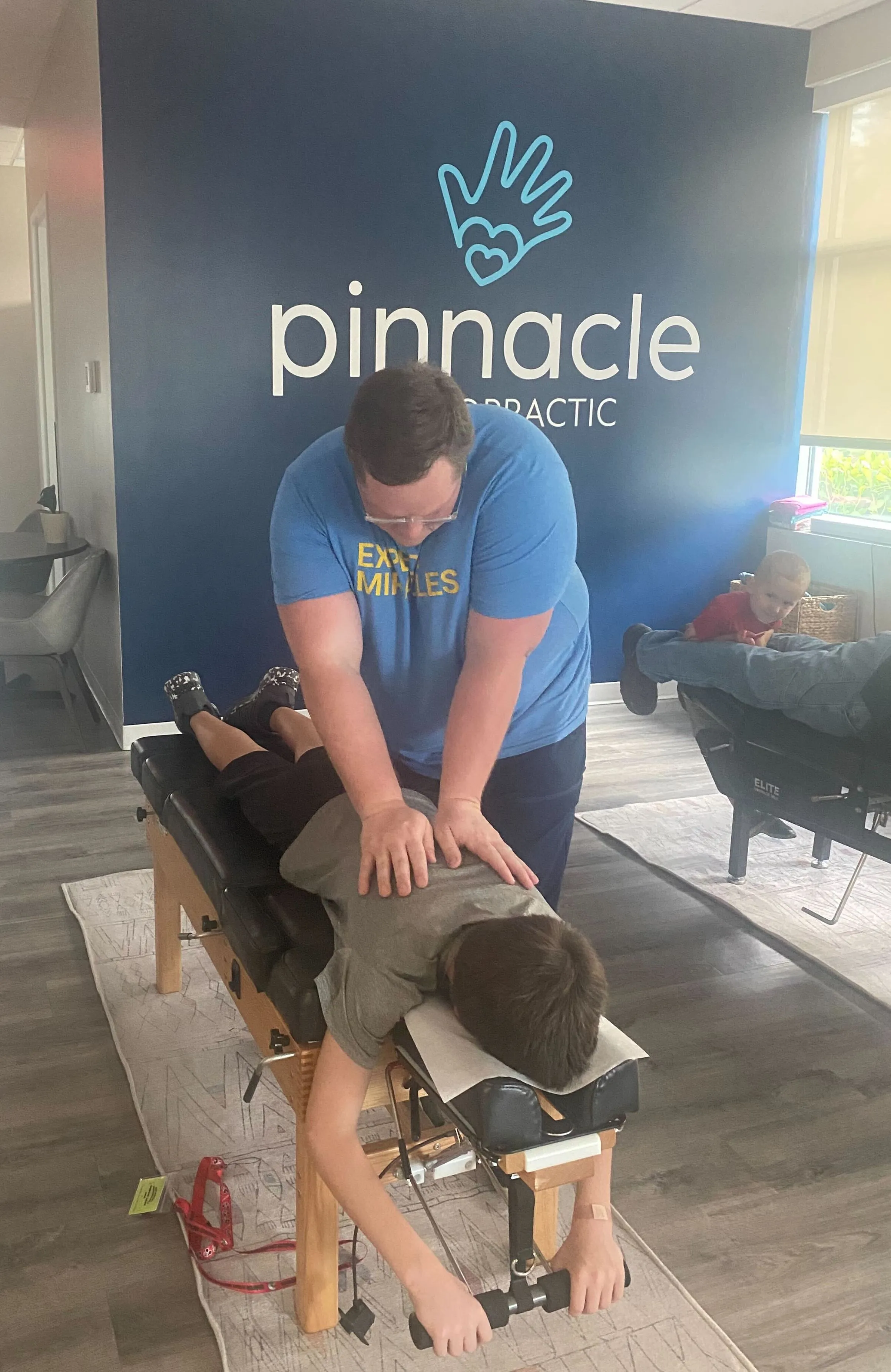
After starting nervous system-based care at Pinnacle Chiropractic, Marcus experienced what many fathers describe as a complete transformation. Within the first month, his chronic back pain began subsiding as his body shifted from constant fight-or-flight stress mode into a more balanced state. But the real magic happened in the months that followed. Not only was Marcus pain-free, but his energy levels soared, his sleep quality improved dramatically, and his patience with his children returned in full force.
Today, Marcus is back to coaching his daughter's little league team—something he had to give up due to his back pain. "I can actually get down on the ground and play with my kids again without worrying about how I'll get back up," he laughs. His story mirrors countless others we've witnessed over 10 years of miracles in our practice.
The ripple effect of Marcus's transformation extends far beyond preventing back pain in busy parents. His wife noticed his increased presence during family dinners, his improved mood during stressful work weeks, and his renewed enthusiasm for weekend adventures. Their children began sleeping better too, sensing the calmer energy their father now brought home each evening.
This domino effect of family wellness illustrates a powerful truth we've observed repeatedly: when dads prioritize their health through consistent, nervous system-focused care, the entire household benefits. Marcus's story joins the many lessons from transforming family health we've gathered, showing how addressing the invisible load of fatherhood creates positive changes that extend far beyond individual patient success stories.
The beautiful reality is that Marcus isn't unique—he represents the potential that exists within every father who chooses to invest in his long-term community health and well-being.
Taking the First Step Toward Pain-Free Fatherhood
The journey toward becoming the strong, present father your family deserves begins with an honest assessment of where you stand today. Many Sarasota dads find themselves caught in a cycle of pushing through pain, believing that discomfort is simply part of being an active father. However, recognizing the signs that your body needs support is the first crucial step in your father wellness journey.
Simple Self-Assessment: Are You Ready for Change?.
Start by asking yourself these key questions: Do you wake up feeling stiff or sore more than three days a week? Does picking up your children or playing on the floor leave you wincing? Are you relying on pain medications to get through your daily activities? If you answered yes to any of these, your body is sending clear signals that it's time to address the root cause rather than masking symptoms.
Consider how your current physical state affects your family interactions. Are you declining to join family bike rides around Sarasota's scenic trails? Do you find yourself irritable after long days at work because your back or neck pain is draining your energy? These aren't just personal inconveniences—they're missed opportunities to create lasting memories with your children and to model healthy living for your family.
Choosing the Right Sarasota Chiropractor for Your Family.
When selecting a chiropractor in Sarasota, the questions you ask can make all the difference in your healing journey. Look for practitioners who focus on nervous system-based care rather than just symptom management. Ask potential providers about their experience with active fathers and how they approach long-term wellness rather than quick fixes.
Inquire about their philosophy regarding family health. A truly comprehensive approach recognizes that your wellness journey impacts your entire family. Some practices even extend their expertise to support expecting mothers, understanding when to start prenatal chiropractic care becomes crucial for growing families.
Your Roadmap to Pain-Free Fatherhood.
The path to staying pain-free as an active father isn't about perfection—it's about consistency and making informed choices that support your body's natural healing abilities. This journey typically begins with understanding how your nervous system functions and learning to recognize when your body shifts from a healing state to a stress response.
Your roadmap should include regular nervous system assessments, lifestyle modifications that support your active lifestyle, and education about how small, consistent changes compound over time. The goal isn't just pain relief; it's about optimizing your body's function so you can be fully present for every soccer game, family adventure, and bedtime story.
Understanding the core values behind Pinnacle can help you evaluate whether a practice aligns with your family's wellness goals. Look for providers who see you as a whole person, not just a collection of symptoms, and who understand that your health directly impacts your ability to be the father you want to be.
Taking this first step requires courage—the courage to admit that you deserve better than living with daily discomfort and the wisdom to invest in your long-term health for your family's sake.