Hypermobile Kids: When "Double-Jointed" Means More Than Flexible
Some children can bend their thumbs to their wrists, touch their palms to the floor, or sit in the splits without effort. Parents often hear this called being double-jointed, and it is frequently admired. But for some kids, extra flexibility comes with tiredness, joint aches, clumsiness, or a tendency to slouch. At Pinnacle Chiropractic, families in Lakewood Ranch, Sarasota, and Bradenton ask us about this pattern, and we look at it through the lens of strength, coordination, and the nervous system.
This article explains what hypermobility is, what to watch for, when to talk with your pediatrician, and how to support a flexible child.
Key Summary
• Joint hypermobility means joints move beyond the typical range, and it is common in children.
• Many hypermobile kids have no problems, while others feel achy, tire easily, or seem clumsy.
• Flexible joints rely more heavily on muscle strength and coordination for stability.
• A pediatrician can check whether hypermobility is part of a broader condition, especially with frequent injuries or other symptoms.
• Gentle pediatric chiropractic care is designed to support nervous system function and movement, not to "tighten" joints.
What Is Hypermobility?
Hypermobile joints have more give than average, because the ligaments and connective tissue that normally limit motion are more lax. Flexibility tends to be greatest in young children and often lessens through the school years. A common quick screen is the Beighton score, which looks at a handful of joints such as the thumbs, fingers, elbows, knees, and the ability to bend forward with palms on the floor. Only a medical provider can evaluate whether it means anything for your child.
Why This Matters
When joints are very mobile, muscles and the nervous system have to work harder to keep them stable. That extra effort can show up as fatigue, aches after activity, or a preference for sitting in unusual positions. Our post on why W-sitting, toe-walking, and clumsiness are often connected explains how these patterns overlap, and flat-footedness is another common companion, which we cover in flat feet in kids.
Signs Parents May Notice
• Fingers, thumbs, elbows, or knees that bend farther than other children's.
• Frequent ankle rolls, sprains, or joint "clicking."
• Tiring quickly during sports or long walks.
• Leg or joint aches in the evening or after play.
• A slouchy posture or a floppy feel in the body.
• Handwriting fatigue, since hands tire when joints are loose.
When to Talk With Your Pediatrician
Mention hypermobility to your pediatrician if your child has frequent dislocations, significant pain, easy bruising, very stretchy or fragile skin, or a family history of connective tissue conditions. These patterns can be associated with conditions that deserve medical evaluation and, sometimes, specialist referral.
The Nervous System Connection
Joint stability depends on proprioception, the brain's awareness of where the body is in space, and on well-timed muscle activation. In hypermobile children, the nervous system often compensates for loose joints, which can use up energy and contribute to fatigue. Supporting balanced nervous system function and coordinated movement is a natural part of caring for a flexible child. For more on how coordination develops, see our article on chiropractic care for balance and coordination in children.
How Pinnacle Chiropractic Approaches Hypermobile Kids
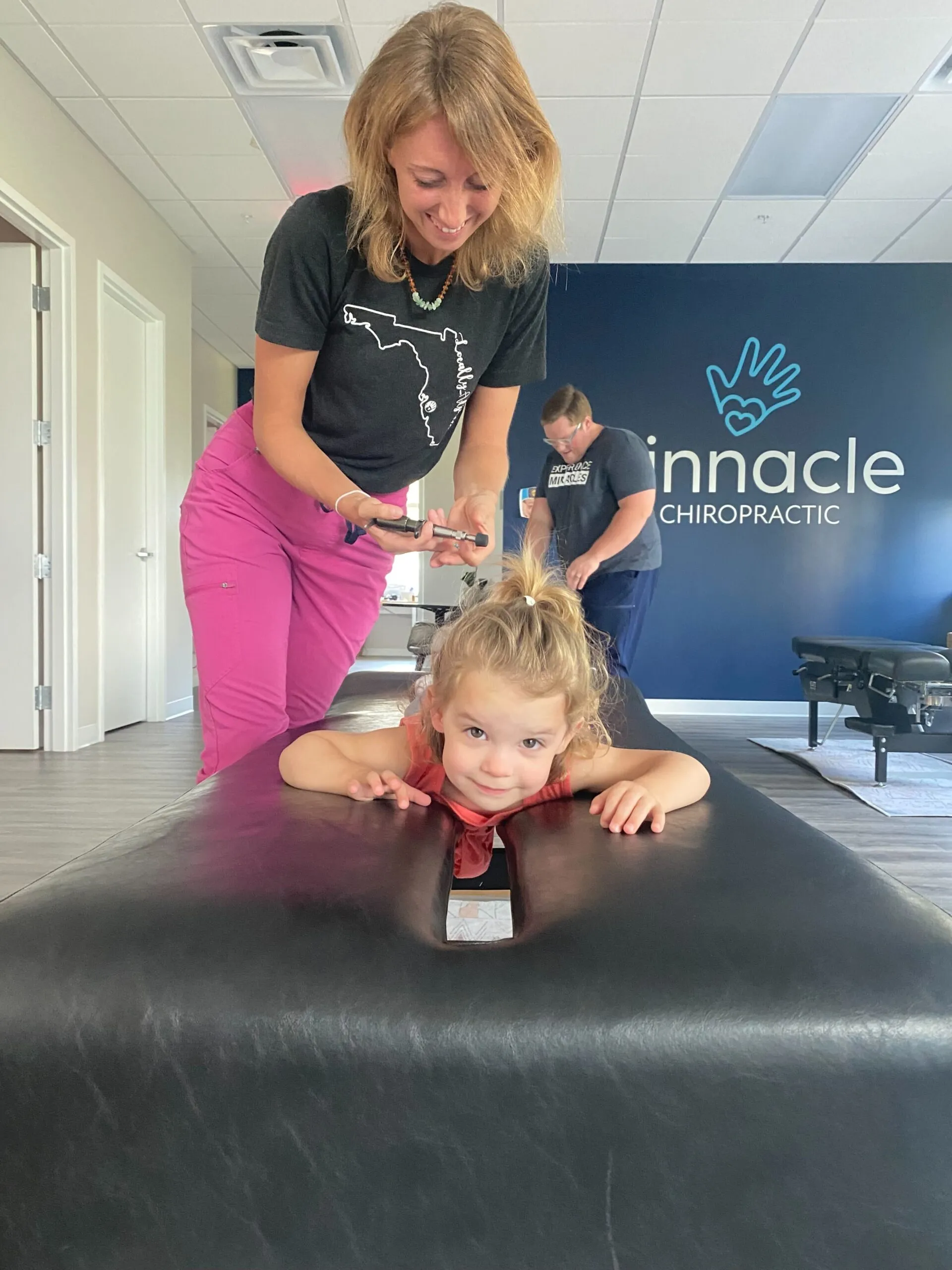
At Pinnacle Chiropractic, we start with a nervous system evaluation using objective INSiGHT scans, because we measure, we don't guess. We use particularly gentle, age-appropriate adjustments for children with flexible joints, and we do not use forceful or end-range techniques. Our goal is to support nervous system function and comfortable movement, and we work alongside your pediatrician and any physical or occupational therapists. We do not claim to treat or cure hypermobility.
What Parents Can Do
• Encourage strength-building play like climbing, swimming, and cycling.
• Avoid pushing joints into extreme end ranges, such as forced splits or contortion-style stretching.
• Choose supportive, well-fitting shoes.
• Build in rest and recovery after big activity days.
• Ask about physical or occupational therapy if pain, fatigue, or injuries are frequent.
FAQs
Is being double-jointed bad?
Not necessarily. Many flexible children do well, and hypermobility can be an advantage in some activities. It is worth attention when it comes with pain, fatigue, injuries, or other symptoms.
Will my child grow out of hypermobility?
Flexibility often decreases as children grow and gain strength, but some people remain more flexible into adulthood.
Should hypermobile kids stretch?
Gentle stretching is fine, but strength and control usually matter more. Avoid pushing joints into extreme ranges.
Why do hypermobile kids get tired so easily?
Loose joints require more muscle effort and nervous system coordination to stay stable, which can lead to fatigue.
Can chiropractic care help hypermobile children?
Gentle pediatric chiropractic care is designed to support nervous system function and movement. It is not designed to tighten ligaments, and we use particularly gentle methods for flexible kids.
Final Thoughts
A flexible child is not a problem to be fixed, but a child whose body may need a little extra support for strength, stability, and rest. Paying attention to patterns and involving your pediatrician early helps you respond confidently.
If you would like to understand how your child's nervous system and movement fit together, Pinnacle Chiropractic is here to help. Our neurologically focused approach uses objective INSiGHT scans and gentle pediatric chiropractic adjustments designed specifically for children. Contact Pinnacle Chiropractic to schedule a consultation.