“They Just Always Sound Congested…”
If your child:
- Snores at night
- Breathes through their mouth
- Constantly clears their throat
- Has chronic postnasal drip
- Sleeps restlessly or wakes tired
You may have been told:
- “It’s allergies.”
- “They’ll grow out of it.”
- “That’s just how their airway is.”
But from a nervous system–based perspective, these signs are often telling a much deeper story.
Postnasal drip, snoring, and mouth breathing are frequently signs of a stressed or dysregulated nervous system—not just sinus or airway issues.
Why These Symptoms Are So Closely Connected
The ears, nose, throat, airway, and sinuses don’t function in isolation. They are all regulated by the autonomic nervous system, particularly through the brainstem and vagus nerve.
When a child’s nervous system is stuck in fight-or-flight, the body struggles to:
- Drain mucus efficiently
- Keep airways open during sleep
- Maintain nasal breathing
- Regulate inflammation
Instead of rest, repair, and regulation, the body stays in survival mode.
Mouth Breathing: A Major Nervous System Red Flag
Mouth breathing is not just a habit—it’s often a compensation.
When nasal breathing feels restricted or unsafe, the body defaults to mouth breathing to get more air quickly. Over time, this can affect:
- Facial and airway development
- Sleep quality
- Focus and behavior
- Immune function
Nasal breathing supports parasympathetic (calming) nervous system activity. Mouth breathing reinforces stress physiology.
Snoring in Kids Is Not “Normal”
While snoring is common, it is not ideal—especially in children.
Snoring often indicates:
- Poor airway tone
- Neurological tension affecting breathing muscles
- Inflammation that isn’t resolving
- A nervous system that can’t fully relax during sleep
Quality sleep is when a child’s brain grows, detoxes, and integrates development. Snoring disrupts that process.
Postnasal Drip: More Than Just Mucus
Chronic postnasal drip is often blamed on allergies or recurrent infectionss.
From a nervous system lens, it can reflect:
- Poor lymphatic drainage
- Reduced vagus nerve tone
- Chronic inflammation signaling
- Impaired autonomic regulation
If the nervous system can’t properly regulate drainage, mucus builds—and the body stays irritated.
The Birth Stress & Early Development Connection
Many children with chronic mouth breathing, snoring, or congestion also have a history of:
- Birth stress or interventions
- Torticollis or head preference
- Reflux or feeding difficulties
- Frequent ear infections
- Early falls or injuries
The upper neck and brainstem—key regulators of breathing, swallowing, and drainage—are especially vulnerable during birth and early development.
What the Nervous System Has to Do With Airway Health
The nervous system controls:
- Muscle tone of the airway
- Inflammatory responses
- Sinus and lymphatic drainage
- Sleep-wake cycles
- Immune regulation
When communication between the brain and body is disrupted, symptoms show up where the system is weakest—often the ENT and airway.
How Nervous System–Based Pediatric Chiropractic Care Helps
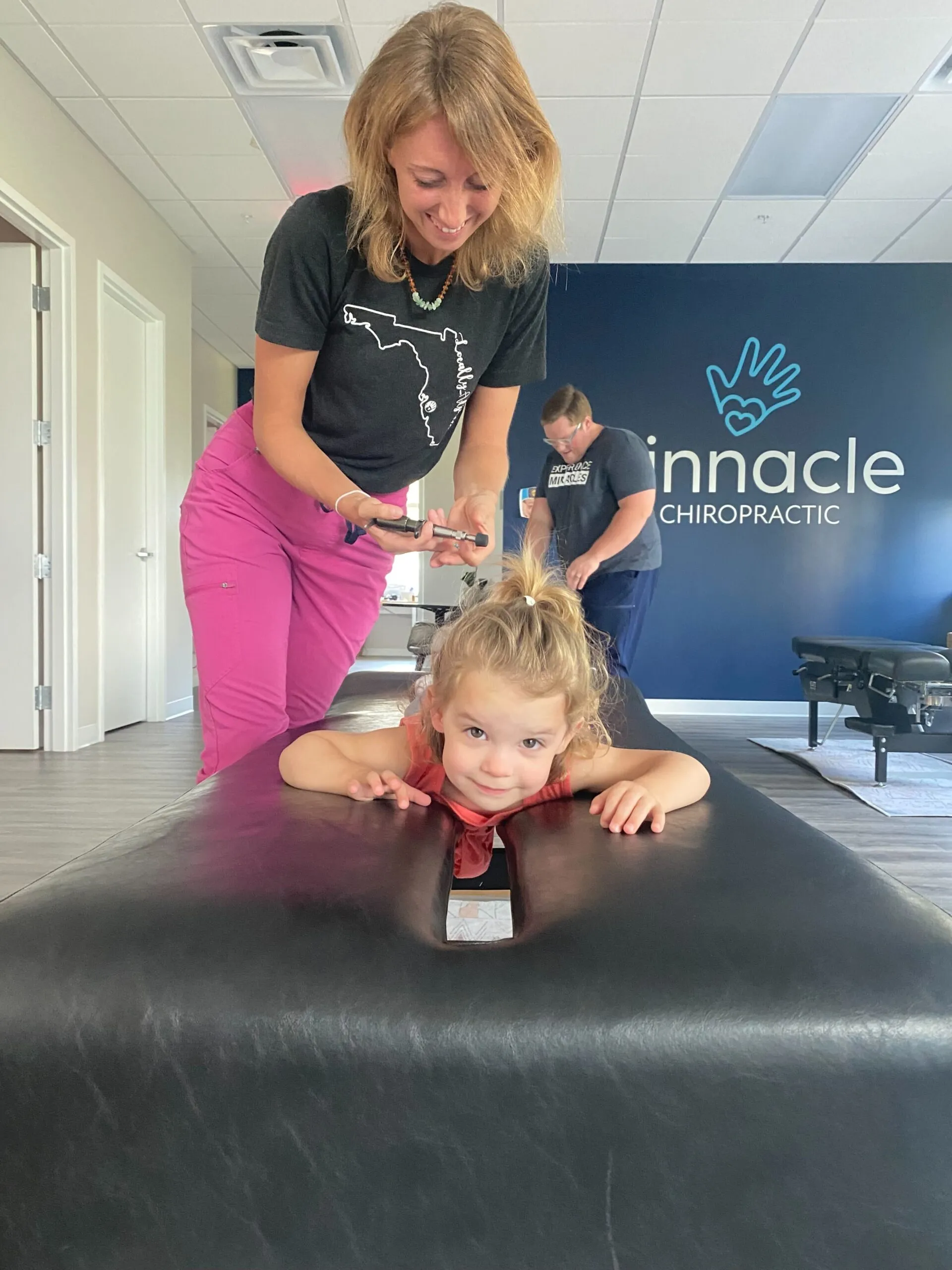
At Pinnacle Chiropractic, we don’t treat symptoms in isolation.
We focus on:
- How your child’s nervous system is adapting
- Where stress patterns are being held
- How regulation can be restored
Our care is:
- Gentle and age-appropriate
- Focused on the brain–body connection
- Designed to support regulation, not force change
When the nervous system begins to regulate, many families notice:
- Improved nasal breathing
- Deeper, quieter sleep
- Reduced congestion and throat clearing
- Better energy, focus, and behavior
Why Early Support Matters
Children are adaptable—but chronic stress patterns can become long-term patterns if ignored.
Supporting the nervous system early can help:
- Normalize breathing patterns
- Improve sleep quality
- Reduce inflammation
- Support healthy airway and facial development
- Build a foundation for long-term regulation
What Parents Often Say
Many parents tell us:
- “We thought snoring was normal.”
- “No one connected this to the nervous system.”
- “Once sleep improved, everything else changed.”
These signs were never random—they were signals.
Why Families Choose Pinnacle Chiropractic
Pinnacle Chiropractic specializes in nervous system–based pediatric, prenatal, and family chiropractic care. Our doctors are trained through the ICPA and focus on helping families understand the why behind chronic patterns.
We proudly serve families in:
- Bradenton
- Sarasota
- Lakewood Ranch
- Manatee & Sarasota Counties
📍 7984 Cooper Creek Blvd., Suite #104, University Park, FL 34201
📞 (941) 822-8828
Visit our website at https://www.pinnaclebradenton.com
Final Thoughts
Postnasal drip, snoring, and mouth breathing are not just “ENT problems.”
They are often the body’s way of saying:
“The nervous system is under stress, and regulation is needed.”
When parents understand this, they stop chasing symptoms—and start supporting healing at the root.
Looking for a Pediatric or Prenatal Chiropractor near you?
Please visit www.pdcnearme.com to find someone in your area.