


“Why Is My Child So Overwhelmed All the Time?”
Parents are noticing a pattern:
- Bigger meltdowns
- More anxiety
- Trouble sleeping
- Difficulty focusing
- Constant movement or restlessness
- Emotional outbursts over small things
And many are asking:
“Is it just my child… or is something bigger happening?”
From a nervous system perspective, we are seeing more overstimulated children than ever before.
And it’s not because kids are weaker.
It’s because modern life is louder, faster, and more demanding than little nervous systems were designed to handle.
What Does “Overstimulated” Actually Mean?
An overstimulated child is not spoiled.
They are not dramatic.
They are not manipulating.
They are experiencing a nervous system that is stuck in sympathetic dominance — also known as fight-or-flight.
When a child’s nervous system is overloaded:
- The brain prioritizes survival over reasoning
- Emotional regulation decreases
- Sleep becomes lighter and disrupted
- Digestion can suffer
- Sensory input feels amplified
The system doesn’t feel safe enough to settle.
Why Modern Life Is Hard on Little Nervous Systems
Children today experience more stimulation in a single day than previous generations experienced in a week.
1. Constant Noise & Screens
Television, tablets, phones, bright colors, fast transitions — these all stimulate the visual and auditory systems at a rapid pace.
The nervous system never truly powers down.
2. Overscheduling & Structured Environments
Back-to-back activities.
Early academics.
Minimal downtime.
Kids rarely have unstructured, quiet time for their nervous systems to reset.
3. Reduced Outdoor Play
Natural movement regulates the nervous system:
- Climbing
- Crawling
- Swinging
- Running
When outdoor play decreases, regulatory input decreases.
4. Birth Stress & Early Tension
Even gentle births involve physical stress on a baby’s spine and nervous system.
If early stress patterns aren’t resolved, regulation may already be compromised before life even speeds up.
5. Chronic Low-Grade Stress
Sensory overload, food sensitivities, gut imbalance, sleep disruption — all create background stress that keeps the nervous system on alert.
Little bodies carry a big load.
What Overstimulation Looks Like in Real Life
An overstimulated child may:
- Cover their ears in noisy environments
- Melt down after school
- Struggle in grocery stores or restaurants
- Resist transitions
- Wake frequently at night
- Be labeled “hyper” or “sensitive”
- Appear anxious without clear cause
Often, these kids are described as “too much.”
In reality, their nervous system is simply doing its best to cope.
Why “Calm Down” Doesn’t Work
When a child is overstimulated:
- The thinking brain is less accessible
- Logic is ineffective
- Discipline escalates stress
You can’t reason with a nervous system that feels unsafe.
Regulation must come before correction.
The Nervous System Reset: What Kids Actually Need
Children need more:
- Deep pressure input
- Predictable rhythms
- Outdoor movement
- Sleep protection
- Reduced screen intensity
- Emotional co-regulation
But sometimes, lifestyle changes aren’t enough — especially if the nervous system is already chronically stuck in fight-or-flight.
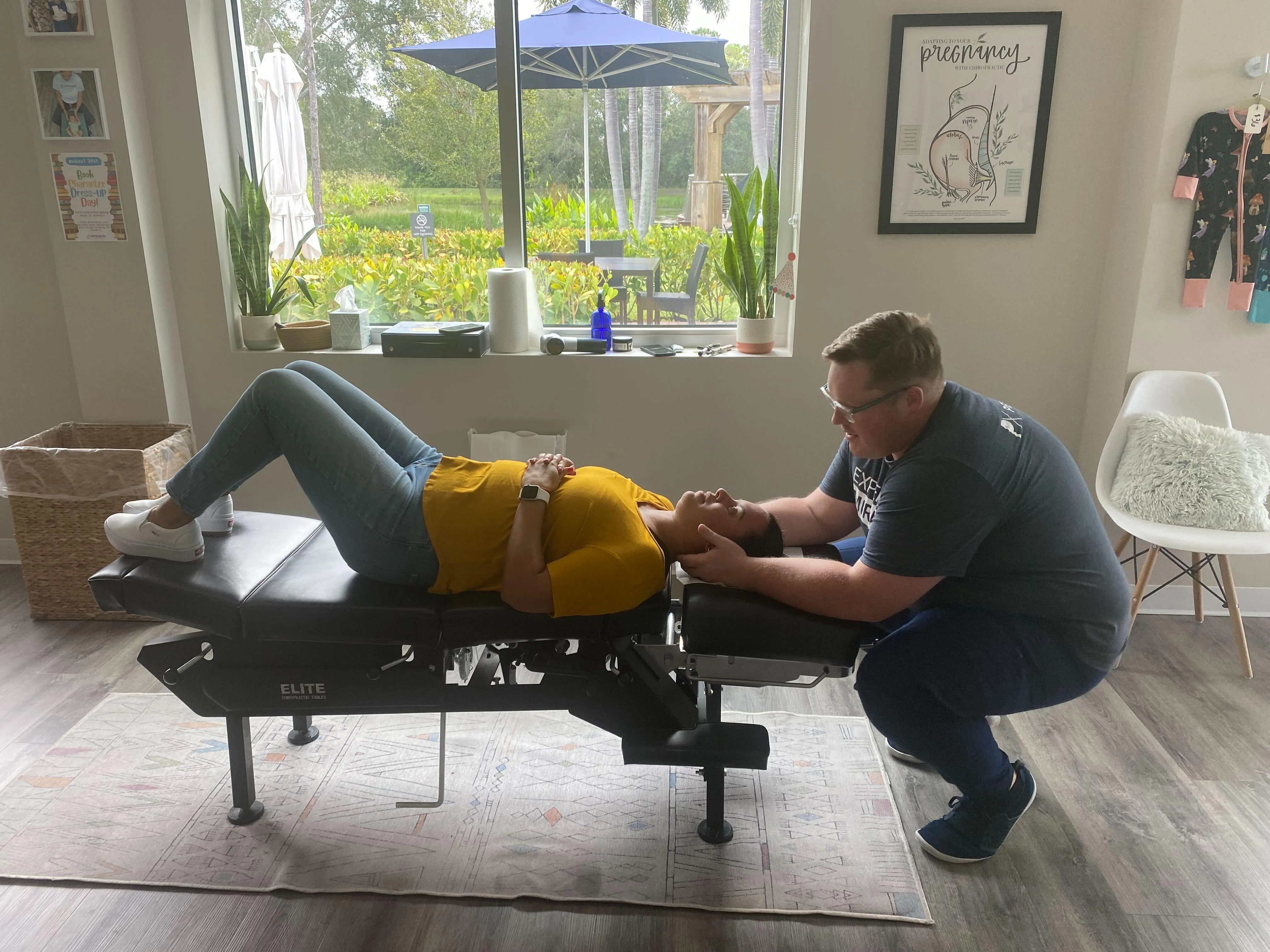
How Nervous System–Based Chiropractic Care Can Help
At Pinnacle Chiropractic, we evaluate how well your child’s nervous system is adapting to stress.
Using gentle, specific adjustments and INSiGHT scans (including thermal, EMG, and HRV testing), we assess:
- Inflammation patterns
- Muscle tension
- Stress response
- Autonomic balance
When the nervous system shifts toward better parasympathetic balance, parents often report:
- Fewer meltdowns
- Improved sleep
- Better focus
- Reduced anxiety
- Increased resilience
We don’t “treat behavior.”
We support the system underneath it.
What Happens When the Nervous System Feels Safe
When regulation improves, children:
- Transition more smoothly
- Recover faster from stress
- Handle noise and crowds better
- Sleep more deeply
- Show improved emotional flexibility
The goal isn’t perfection.
It’s capacity.
Why This Matters Now More Than Ever
Modern life isn’t slowing down.
So instead of asking kids to “toughen up,” we need to strengthen their nervous systems.
The earlier we support regulation, the easier it is to build resilience that lasts into adolescence and adulthood.
You Are Not Imagining It
If your child seems more overwhelmed than other kids, trust that instinct.
Overstimulation is real.
Nervous system stress is measurable.
And support is available.
Why Families Choose Pinnacle Chiropractic
Pinnacle Chiropractic specializes in nervous system–based pediatric, prenatal, and family chiropractic care. Our doctors are trained through the ICPA and focus on helping children reach their Pinnacle Potential through neurologically focused care.
📍 7984 Cooper Creek Blvd., Suite #104, University Park, FL 34201
📞 (941) 822-8828
Visit our website at https://www.pinnaclebradenton.com
Final Thoughts
Your child isn’t “too sensitive.”
They’re overstimulated.
When we shift from managing behavior to supporting the nervous system, everything changes — for them and for you.
Looking for a Pediatric or Prenatal Chiropractor near you?
Please visit www.pdcnearme.com to find someone in your area.





.webp)